
CS 2234 S - Chain saw JONSERED - Free user manual and instructions
Find the device manual for free CS 2234 S JONSERED in PDF.



User questions about CS 2234 S JONSERED
0 question about this device. Answer the ones you know or ask your own.
Ask a new question about this device
Download the instructions for your Chain saw in PDF format for free! Find your manual CS 2234 S - JONSERED and take your electronic device back in hand. On this page are published all the documents necessary for the use of your device. CS 2234 S by JONSERED.
USER MANUAL CS 2234 S JONSERED
SK Operatorska prirucka
Congratulations on your choice to buy a Jonsered product!
We are convinced that you will appreciate with great satisfaction the quality and performance of our product for a very long time to come. The purchase of one of our products gives you access to professional help with repairs and service whenever this may be necessary. If the retailer who sells your machine is not one of our authorised dealers, ask for the address of your nearest service workshop.
It is our wish that you will be satisfied with your product and that it will be your companion for a long time. Think of this operator's manual as a valuable document. By following its' content (using, service, maintenance etc) the life span and the second-hand value of the machine can be extended. If you will sell this machine, make sure that the buyer will get the operator's manual.
Good luck on using your Jonstered machine!
Jonsered has a policy of continuous product development and therefore reserves the right to modify the design and appearance of products without prior notice.
Symbols on the machine:
WARNING! Chain saws can be dangerous! Careless or incorrect use can result in serious or fatal injury to the operator or others.
Please read the operator's manual carefully and make sure you understand the instructions before using the machine.
Always wear:
Approved protective helmet
Approved hearing protection
- Protective goggles or a visor
This product is in accordance with applicable EC directives.
Noise emission to the environment according to the European Community's Directive. The machine's emission is specified in chapter Technical data and on label.
Both of the operator's hands must be used to operate the chain saw.
Never operate a chain saw holding it with one hand only.
Contact of the guide bar tip with any object must be avoided.
WARNING! Kickback may occur when the nose or tip of the guide bar touches an object, and cause a lightning fast reverse reaction, kicking the guide bar up and towards the operator. May cause serious personal injury.
Chain brake, activated (left)
Chain brake, not activated (right)




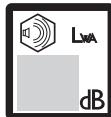
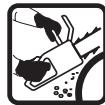
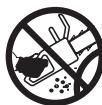


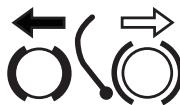
Other symbols/decals on the machine refer to special certification requirements for certain markets.
What is what on the chain saw? (1)
1 Cylinder cover
2 Air purge
3 Starter handle
4 Choke control/Start throttle lock
5 Stop switch (Ignition on/off switch.)
6 Rear handle
7 Fuel tank
8 Adjuster screws carburettor
9 Starter
10 Chain oil tank
11 Product and serial number plate
12 Information and warning decal
13 Throttle lockout (Prevents accidental operation of throttle control.)
14 Front handle
15 Front hand guard
16 Muffler
17 Bar
18 Bar tip sprocket
19 Chain
20 Spike bumper
21 Chain catcher
22 Chain tensioner wheel
23 Knob
24 Clutch cover
25 Rear handle with right hand guard
26 Throttle control
27 Combination spanner
28Operator's manual
29 Bar guard
Contents
INTRODUCTION
Dear Customer, 6
Symbols on the machine: 6
What is what on the chain saw? 7
CONTENTS
Contents 7
GENERAL SAFETY PRECAUTIONS
Before using a new chain saw 8
Important 8
Always use common sense 8
Personal protective equipment 9
Machine's safety equipment 9
Cutting equipment 11
ASSEMBLY
Fitting the bar and chain 14
FUEL HANDLING
Fuel 14
Fuelling 15
Fuel safety 15
STARTING AND STOPPING
Starting and stopping 16
WORKING TECHNIQUES
Before use: 17
General working instructions 17
How to avoid kickback 20
MAINTENANCE
General 21
Carburettor adjustment 21
Checking, maintaining and servicing chain saw safety equipment 21
Muffler 22
Air filter 22
Spark plug 22
Maintenance schedule 23
TECHNICAL DATA
Technical data 24
Bar and chain combinations 25
EC-declaration of conformity 25
Before using a new chain saw
Please read this manual carefully.
(1)-(50) refer to figures on p. 2-5.
- Check that the cutting equipment is correctly fitted and adjusted. See instructions under the heading Assembly.
- Refuel and start the chain saw. See the instructions under the headings Fuel Handling and Starting and Stopping.
- Do not use the chain saw until sufficient chain oil has reached the chain. See instructions under the heading Lubricating cutting equipment.
- Long-term exposure to noise can result in permanent hearing impairment. So always use approved hearing protection.

WARNING! Under no circumstances may the design of the machine be modified without the permission of the manufacturer. Always use genuine accessories. Non-authorized modifications and/or accessories can result in serious personal injury or the death of the operator or others.

WARNING! A chain saw is a dangerous tool if used carelessly or incorrectly and can cause serious, even fatal injuries. It is very important that you read and understand the contents of this operator's manual.

WARNING! The inside of the muffler contain chemicals that may be carcinogenic. Avoid contact with these elements in the event of a damaged muffler.

WARNING! Long term inhalation of the engine's exhaust fumes, chain oil mist and dust from sawdust can represent a health risk.

WARNING! This machine produces an electromagnetic field during operation. This field may under some circumstances interfere with active or passive medical implants. To reduce the risk of serious or fatal injury, we recommend persons with medical implants to consult their physician and the medical implant manufacturer before operating this machine.
Important
IMPORTANT!
The machine is only designed for cutting wood.
You should only use the saw with the bar and chain combinations we recommend in the chapter Technical data.
Never use the machine if you are fatigued, while under the influence of alcohol or drugs, medication or anything that could affect your vision, alertness, coordination or judgement.
Wear personal protective equipment. See instructions under the heading Personal protective equipment.
Do not modify this product or use it if it appears to have been modified by others.
Never use a machine that is faulty. Carry out the checks, maintenance and service instructions described in this manual. Some maintenance and service measures must be carried out by trained and qualified specialists. See instructions under the heading Maintenance.
Never use any accessories other than those recommended in this manual. See instructions under the headings Cutting equipment and Technical data.
CAUTION! Always wear protective glasses or a face visor to reduce the risk of injury from thrown objects. A chain saw is capable of throwing objects, such as wood chips, small pieces of wood, etc, at great force. This can result in serious injury, especially to the eyes.

WARNING! Running an engine in a confined or badly ventilated area can result in death due to asphyxiation or carbon monoxide poisoning.

WARNING! Faulty cutting equipment or the wrong combination of bar and saw chain increases the risk of kickback! Only use the bar/saw chain combinations we recommend, and follow the filing instructions. See instructions under the heading Technical data.
Always use common sense (2)
It is not possible to cover every conceivable situation you can face when using a chain saw. Always exercise care and use your common sense. Avoid all situations which you consider to be beyond your capability. If you still feel uncertain about operating procedures after reading these instructions, you should consult an expert before continuing. Do not hesitate to contact your dealer or us if you have any questions about the use of the chain saw. We will willingly be of service and provide you with advice as well as help you to use your chain saw both efficiently and safely. Attend a training course in chain saw usage if possible. Your dealer, forestry school or your library can provide information about which training materials and courses are available. Work is constantly in progress to improve the design and technology - improvements that increase your safety and efficiency. Visit your dealer regularly to see whether you can benefit from new features that have been introduced.
Personal protective equipment

WARNING! Most chain saw accidents happen when the chain touches the operator. You must use approved personal protective equipment whenever you use the machine. Personal protective equipment cannot eliminate the risk of injury but it will reduce the degree of injury if an accident does happen. Ask your dealer for help in choosing the right equipment.
Approved protective helmet
- Hearing protection
- Protective goggles or a visor
Gloves with saw protection
- Trousers with saw protection
- Boots with saw protection, steel toe-cap and non-slip sole
Always have a first aid kit nearby.
Fire Extinguisher and Shovel
Generally clothes should be close-fitting without restricting your freedom of movement.
IMPORTANT! Sparks can come from the muffler, the bar and chain or other sources. Always have fire extinguishing tools available if you should need them. Help prevent forest fires.
Machine's safety equipment
In this section the machine's safety features and their function are explained. For inspection and maintenance see instructions under the heading Checking, maintaining and servicing chain saw safety equipment. See instructions under the heading, What is what?, to find where these parts are located on your machine.
The life span of the machine can be reduced and the risk of accidents can increase if machine maintenance is not carried out correctly and if service and/or repairs are not carried out professionally. If you need further information please contact your nearest service workshop.

WARNING! Never use a machine with defective safety components. Safety equipment must be inspected and maintained. See instructions under the heading Checking, maintaining and servicing chain saw safety equipment. If your machine does not pass all the checks, take the saw to a servicing dealer for repair.
Chain brake and front hand guard
Your chain saw is equipped with a chain brake that is designed to stop the chain if you get a kickback. The chain brake reduces the risk of accidents, but only you can prevent them.
Take care when using your saw and make sure the kickback zone of the bar never touches any object.
- The chain brake (A) can either be activated manually (by your left hand) or automatically by the inertia release mechanism. (3)
- The brake is applied when the front hand guard (B) is pushed forwards. (3)
- This movement activates a spring-loaded mechanism that tightens the brake band (C) around the engine drive system (D) (clutch drum). (4)
- The front hand guard is not designed solely to activate the chain brake. Another important feature is that it reduces the risk of your left hand hitting the chain if you lose grip of the front handle.
- The chain brake must be engaged when the chain saw is started to prevent the saw chain from rotating.
- Use the chain brake as a "parking brake" when starting and when moving over short distances, to reduce the risk of moving chain accidentally hitting your leg or anyone or anything close by.
- To release the chain brake pull the front hand guard backwards, towards the front handle.
- Kickback can be very sudden and violent. Most kickbacks are minor and do not always activate the chain brake. If this happens you should hold the chain saw firmly and not let go.
- The way the chain brake is activated, either manually or automatically by the inertia release mechanism, depends on the force of the kickback and the position of the chain saw in relation to the object that the kickback zone of the bar strikes.
If you get a violent kickback while the kickback zone of the bar is farthest away from you the chain brake is designed to be activated by the inertia in the kickback direction.
If the kickback is less violent or the kickback zone of the bar is closer to you the chain brake will be activated manually by the movement of your left hand.
- In the felling position the left hand is in a position that makes manual activation of the chain brake impossible. With this type of grip, that is when the left hand is placed so that it cannot affect the movement of the front hand guard, the chain brake can only be activated by the inertia action.
Will my hand always activate the chain brake during a kickback?
No. It takes a certain force to move the hand guard forward. If your hand only lightly touches the front guard or slips over it, the force may not be enough to trigger the chain brake. You should also maintain a firm grip of the chain saw handles while working. If you do and experience a kickback, your hand may never leave the front handle and will not activate the chain brake, or the chain brake will only activate after the saw has swung around a considerable distance. In such instances, the chain brake might not have enough time to stop the saw chain before it touches you.
There are also certain positions in which your hand cannot reach the front hand guard to activate the chain brake; for example, when the saw chain is held in felling position.
Will my inertia activated chain brake always activate during kickback in the event of a kickback?
No. First your brake must be in working order. Testing the brake is simple, see instructions under the heading Checking, maintaining and servicing chain saw safety equipment. We recommend you do before you begin each work session. Second the kickback must be strong enough to activate the chain brake. If the chain brake is too sensitive it would activate all the time which would be a nuisance.
Will my chain brake always protect me from injury in the event of a kickback?
No. First, the chain brake must be in working order to provide the intended protection. Second, it must be activated during the kickback as described above to stop the saw chain. Third, the chain brake may be activated but if the bar is too close to you the brake might not have enough time to slow down and stop the chain before the chain saw hits you.
Only you and proper working technique can eliminate kickback and its danger.
Throttle lockout
The throttle lockout is designed to prevent accidental operation of the throttle control. When you press the lock (A) (i.e. when you grasp the handle) it releases the throttle control (B). When you release the handle the throttle control and the throttle lockout both move back to their original positions. This arrangement means that the throttle control is automatically locked at the idle setting. (5)
Chain catcher
The chain catcher is designed to catch the chain if it snaps or jumps off. This should not happen if the chain is properly tensioned (see instructions under the heading Assembly) and if the bar and chain are properly serviced and maintained (see instructions under the heading General working instructions).
Right hand guard
Apart from protecting your hand if the chain jumps or snaps, the right hand guard stops branches and twigs from interfering with your grip on the rear handle.
Vibration damping system
Your machine is equipped with a vibration damping system that is designed to minimize vibration and make operation easier.
The machine's vibration damping system reduces the transfer of vibration between the engine unit/cutting equipment and the machine's handle unit. The body of the chain saw, including the cutting equipment, is insulated from the handles by vibration damping units.
Cutting hardwoods (most broadleaf trees) creates more vibration than cutting softwoods (most conifers). Cutting with cutting equipment that is blunt or faulty (wrong type or badly sharpened) will increase the vibration level.

WARNING! Overexposure to vibration can lead to circulatory damage or nerve damage in people who have impaired circulation. Contact your doctor if you experience symptoms of overexposure to vibration. Such symptoms include numbness, loss of feeling, tingling, pricking, pain, loss of strength, changes in skin colour or condition. These symptoms normally appear in the fingers, hands or wrists. These symptoms may be increased in cold temperatures.
Stop switch
Use the stop switch to switch off the engine.
Muffler
The muffler is designed to reduce noise levels and to direct exhaust fumes away from the user.

WARNING! The exhaust fumes from the engine are hot and may contain sparks which can start a fire. Never start the machine indoors or near combustible material!
In areas with a hot, dry climate there is a high risk of fires. These areas are sometimes subject to government rules requiring among other things the muffler must be equipped with an approved type of spark arrestor mesh (A). (6)
CAUTION! The muffler gets very hot during and after use. This also applies during idling. Be aware of the fire hazard, especially when working near flammable substances and/or vapours.

WARNING! Never use a saw without a muffler, or with a damaged muffler. A damaged muffler may substantially increase the noise level and the fire hazard. Keep fire fighting equipment handy. If a spark arrestor screen is required in your area, never use the saw without or with a broken spark arrestor screen.
Cutting equipment
This section describes how to choose and maintain your cutting equipment in order to:
- Reduce the risk of kickback.
- Reduce the risk of the saw chain breaking or jumping off the bar.
- Obtain optimal cutting performance.
- Extend the life of cutting equipment.
- Avoid increasing vibration levels.
General rules
Only use cutting equipment recommended by us! See instructions under the heading Technical data.
- Keep the chain's cutting teeth properly sharpened! Follow our instructions and use the recommended file gauge. A damaged or badly sharpened chain increases the risk of accidents.
- Maintain the correct depth gauge setting! Follow our instructions and use the recommended depth gauge clearance. Too large a clearance increases the risk of kickback.
- Keep the chain properly tensioned! If the chain is slack it is more likely to jump off and lead to increased wear on the bar, chain and drive sprocket.
- Keep cutting equipment well lubricated and properly maintained! A poorly lubricated chain is more likely to break and lead to increased wear on the bar, chain and drive sprocket.
Cutting equipment designed to reduce kickback

WARNING! Faulty cutting equipment or the wrong combination of bar and saw chain increases the risk of kickback! Only use the bar/saw chain combinations we recommend, and follow the filing instructions. See instructions under the heading Technical data.
The only way to avoid kickback is to make sure that the kickback zone of the bar never touches anything.
By using cutting equipment with "built-in" kickback reduction and keeping the chain sharp and well-maintained you can reduce the effects of kickback.
Bar
The smaller the tip radius the lower the chance of kickback.
Chain
A chain is made up of a number of links, which are available in standard and low-kickback versions.
IMPORTANT! No saw chain design eliminates the danger of kickback.

WARNING! Any contact with a rotating saw chain can cause extremely serious injuries.
Some terms that describe the bar and chain
To maintain the safety features of the cutting equipment, you should replace a worn or damaged bar or chain with a bar and chain combinations recommended by Jonsered. See instructions under the heading Technical Data for a list of replacement bar and chain combinations we recommend.
Bar
Length (inches/cm)
Number of teeth on bar tip sprocket (T).
- Chain pitch (inches). The spacing between the drive links of the chain must match the spacing of the teeth on the bar tip sprocket and drive sprocket.
- Number of drive links. The number of drive links is determined by the length of the bar, the chain pitch and the number of teeth on the bar tip sprocket.
- Bar groove width (inches/mm). The groove in the bar must match the width of the chain drive links.
- Chain oil hole and hole for chain tensioner. The bar must be matched to the chain saw design.
Chain
- Chain pitch (inches)
- Drive link width (mm/inches)
Number of drive links.
Sharpening your chain and adjusting depth gauge setting

WARNING! Always wear gloves, when working with the chain, in order to protect your hands from injury.
General information on sharpening cutting teeth
- Never use a blunt chain. When the chain is blunt you have to exert more pressure to force the bar through the wood and the chips will be very small. If the chain is very blunt it will produce wood powder and no chips or shavings.
- A sharp chain eats its way through the wood and produces long, thick chips or shavings.
- The cutting part of the chain is called the cutter and consists of a cutting tooth (A) and the depth gauge (B). The cutters cutting depth is determined by the difference in height between the two (depth gauge setting). (7)
When you sharpen a cutting tooth there are four important factors to remember.
1 Filing angle
2 Cutting angle
3 File position
4 Round file diameter
It is very difficult to sharpen a chain correctly without the right equipment. We recommend that you use our file gauge. This will help you obtain the maximum kickback reduction and cutting performance from your chain.
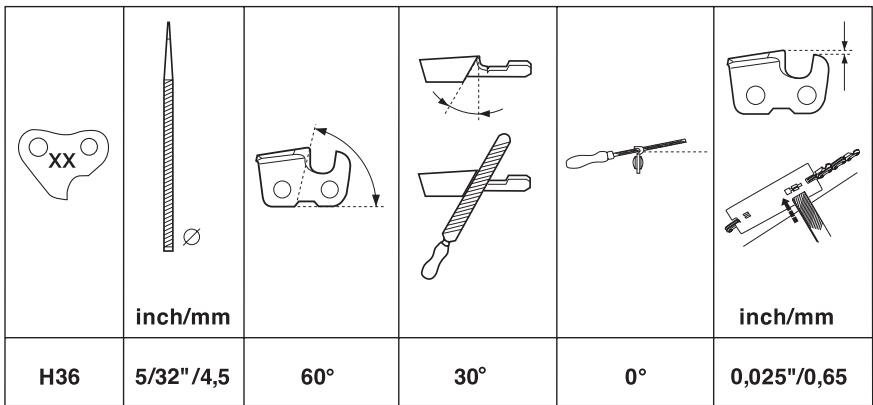
See instructions under the heading Technical data for information about sharpening your chain.

WARNING! Departure from the sharpening instructions considerably increases the risk of kickback.
Sharpening cutting teeth
To sharpen cutting teeth you will need a round file and a file gauge. See instructions under the heading Technical data for information on the size of file and gauge that are recommended for the chain fitted to your chain saw.
- Check that the chain is correctly tensioned. A slack chain will move sideways, making it more difficult to sharpen correctly.
Always file cutting teeth from the inside face. Reduce the pressure on the return stroke. File all the teeth on one side first, then turn the chain saw over and file the teeth on the other side. - File all the teeth to the same length. When the length of the cutting teeth is reduced to 4mm (0.16") the chain is worn out and should be replaced. (8)
General advice on adjusting depth gauge setting
- When you sharpen the cutting tooth (A) the depth gauge setting (C) will decrease. To maintain optimal cutting performance the depth gauge (B) has to be filed down to achieve the recommended depth gauge setting. See instructions under the heading Technical data to find the correct depth gauge setting for your particular chain.

WARNING! The risk of kickback is increased if the depth gauge setting is too large!
Adjustment of depth gauge setting
- The cutting teeth should be newly sharpened before adjusting the depth gauge setting. We recommend that you adjust the depth gauge setting every third time you sharpen the cutting teeth. NOTE! This recommendation assumes that the length of the cutting teeth is not reduced excessively.
- You will need a flat file and a depth gauge tool. We recommend that you use our depth gauge tool to achieve the correct depth gauge setting and bevel for the depth gauge.
- Place the depth gauge tool over the chain. Detailed information regarding the use of the depth gauge tool, will be found on the package for the depth gauge tool. Use the flat file to file off the tip of the depth gauge that protrudes through the depth gauge tool. The depth gauge setting is correct when you no longer feel resistance as you draw the file along the depth gauge tool.
Tensioning the chain

WARNING! A slack chain may jump off and cause serious or even fatal injury.

WARNING! Always wear approved protective gloves. Even a non-moving chain can cause serious cuts to yourself or persons you bump into with an exposed chain.
The more you use a chain the longer it becomes. It is therefore important to adjust the chain regularly to take up the slack.
Check the chain tension every time you refuel. NOTE! A new chain has a running-in period during which you should check the tension more frequently.
Tension the chain as tightly as possible, but not so tight that you cannot pull it round freely by hand. (9)
- Release the knob by folding it out. (10)
- Turn the knob anti clockwise to loosen the bar cover. (11)
- Adjust the tension on the chain by turning the wheel down (+) for tighter tension and up (-) to loosen the tension. Lift tip of guide bar while adjusting tension. (12)
- Tighten the clutch cover by turning the knob clockwise while lifting tip of bar. (13)
- Fold the knob back in to lock the tensioning. (14)
Lubricating cutting equipment

WARNING! Poor lubrication of cutting equipment may cause the chain to snap, which could lead to serious, even fatal injuries.
Chain oil
Chain oil must demonstrate good adhesion to the chain and also maintain its flow characteristics regardless of whether it is warm summer or cold winter weather.
As a chain saw manufacturer we have developed an optimal chain oil which, with its vegetable oil base, is also biodegradable. We recommend the use of our own oil for both maximum chain life and to minimise environmental damage. If our own chain oil is not available, standard chain oil is recommended.
Never use waste oil! Using waste oil can be dangerous to you and damage the machine and environment.
IMPORTANT! When using vegetable based saw chain oil, dismantle and clean the groove in the bar and saw chain before long-term storage. Otherwise there is a risk of the saw chain oil oxidizing, which will result in the saw chain becoming stiff and the bar tip sprocket jamming.
Filling with chain oil
- All our chain saws have an automatic chain lubrication system. On some models the oil flow is also adjustable.
- The saw chain oil tank and the fuel tank are designed so that the fuel runs out before the saw chain oil.
However, this safety feature requires that you use the right sort of chain oil (if the oil is too thin it will run out before the fuel), and that you adjust the carburetor as recommended (a lean mixture may mean that the fuel lasts longer than the oil) and that you also use the recommended cutting equipment (a bar that is too long will use more chain oil).
Checking chain lubrication
- Check the chain lubrication each time you refuel. See instructions under the heading Lubricating the bar tip sprocket.
Aim the tip of the bar at a light coloured surface about 20 cm (8 inches) away. After 1 minute running at 3/4 throttle you should see a distinct line of oil on the light surface.
If the chain lubrication is not working:
- Check that the oil channel in the bar is not obstructed. Clean if necessary.
- Check that the groove in the edge of the bar is clean. Clean if necessary.
- Check that the bar tip sprocket turns freely and that the lubricating hole in the tip sprocket is not blocked. Clean and lubricate if necessary.
If the chain lubrication system is still not working after carrying out the above checks and associated measures you should contact your service agent.
Chain drive sprocket
The clutch drum is fitted with a Spur sprocket (the chain sprocket is welded on the drum).
Regularly check the degree of wear on the drive sprocket. Replace if wear is excessive. Replace the drive sprocket whenever you replace the chain.
Checking wear on cutting equipment
Check the chain daily for:
Visible cracks in rivets and links.
- Whether the chain is stiff.
- Whether rivets and links are badly worn.
Replace the saw chain if it exhibits any of the points above.
We recommend you compare the existing chain with a new chain to decide how badly the existing chain is worn.
When the length of the cutting teeth has worn down to only 4mm the chain must be replaced.
Bar
Check regularly:
-
Whether there are burrs on the edges of the bar. Remove these with a file if necessary. (15A)
-
Whether the groove in the bar has become badly worn. Replace the bar if necessary. (15B)
- Whether the tip of the bar is uneven or badly worn. If a hollow forms on the underside of the bar tip this is due to running with a slack chain.
To prolong the life of the bar you should turn it over daily.

WARNING! Most chain saw accidents happen when the chain touches the operator.
Wear personal protective equipment. See instructions under the heading Personal protective equipment.
Do not tackle any job that you feel you are not adequately trained for. See instructions under the headings Personal protective equipment, How to avoid kickback, Cutting equipment and General working instructions.
Avoid situations where there is a risk of kickback. See instructions under the heading Machine's safety equipment.
Use the recommended protective equipment and check its condition. See instructions under the heading General working instructions.
Check that all the chain saw safety features are working. See instructions under the headings General working instructions and General safety precautions.
Fitting the bar and chain

WARNING! Switch off the engine before carrying out any checks or maintenance. The stop switch automatically returns to the start position. In order to prevent unintentional starting, the spark plug cap must be removed from the spark plug when assembling, checking and/or performing maintenance.
Always wear gloves, when working with the chain, in order to protect your hands from injury.
Check that the chain brake is in disengaged position by moving the front hand guard towards the front handle.
Remove the knob and remove the clutch cover (chain brake). Take off the transportation ring. (16)
Fit the bar over the bar bolts. Place the bar in its rearmost position. Place the chain over the drive sprocket locate it in the groove on the bar. Begin on the top edge of the bar. (17)
Make sure that the edges of the cutting links are facing forward on the top edge of the bar.
Fit the clutch cover (chain brake) and locate the chain adjuster pin in the cut-out in the bar. Check that the drive links of the chain fit correctly on the drive sprocket and that the chain is in the groove on the bar. (18)
Tension the chain by turning the wheel down (+) . The chain should be tensioned until it does not sag from the underside of the bar. (12)
The chain is correctly tensioned when it does not sag from the underside of the bar, but can still be turned easily by hand. Hold up the bar tip and tighten the bar knob by turning the knob clockwise. (13)
When fitting a new chain, the chain tension has to be checked frequently until the chain is run-in. Check the chain tension regularly. A correctly tensioned chain ensures good cutting performance and long life. (19)
Fitting a spike bumper
To fit a spike bumper - contact your service agent.
Fuel
Note! The machine is equipped with a two-stroke engine and must always be run using a mixture of petrol and two-stroke oil. It is important to accurately measure the amount of oil to be mixed to ensure that the correct mixture is obtained. When mixing small amounts of fuel, even small inaccuracies can drastically affect the ratio of the mixture.

WARNING! Always ensure there is adequate ventilation when handling fuel.
Petrol
Use good quality unleaded or leaded petrol.
- The lowest recommended octane grade is 90 (RON). If you run the engine on a lower octane grade than 90 so-called knocking can occur. This gives rise to a high engine temperature and increased bearing load, which can result in serious engine damage.
- When working with continuous high revs (e.g. limbing) a higher octane is recommended.
Running-in
Avoid running at a too high speed for extended periods during the first 10 hours.
Two-stroke oil
- For best results and performance use JONSERED two-stroke engine oil, which is specially formulated for our air-cooled two-stroke engines.
- Never use two-stroke oil intended for water-cooled engines, sometimes referred to as outboard oil (rated TCW).
- Never use oil intended for four-stroke engines.
- A poor oil quality and/or too high oil/fuel ratio may jeopardise function and decrease the life time of catalytic converters.
Mixing ratio
1:50 (2%) with JONSERED two-stroke oil.
1:33 (3%) with oils class JASO FB or ISO EGB formulated for air-cooled, two-stroke engines.
| Petrol, litre | Two-stroke oil, litre | |
| 2% (1:50) | 3% (1:33) | |
| 5 | 0,10 | 0,15 |
| 10 | 0,20 | 0,30 |
| 15 | 0,30 | 0,45 |
| 20 | 0,40 | 0,60 |
Mixing
Always mix the petrol and oil in a clean container intended for fuel.
Always start by filling half the amount of the petrol to be used. Then add the entire amount of oil. Mix (shake) the fuel mixture. Add the remaining amount of petrol.
- Mix (shake) the fuel mixture thoroughly before filling the machine's fuel tank.
- Do not mix more than one month's supply of fuel at a time.
- If the machine is not used for some time the fuel tank should be emptied and cleaned.
Chain oil
We recommend the use of special oil (chain oil) with good adhesion characteristics.
- Never use waste oil. This results in damage to the oil pump, the bar and the chain.
It is important to use oil of the right grade (suitable viscosity range) to suit the air temperature.
- In temperatures below 0^ ( 32^ ) some oils become too viscous. This can overload the oil pump and result in damage to the oil pump components.
- Contact your service agent when choosing chain oil.
Fuelling

WARNING! Taking the following precautions, will lessen the risk of fire:
Do not smoke and do not place any hot objects in the vicinity of fuel.
Always stop the engine and let it cool for a few minutes before refuelling.
When refuelling, open the fuel cap slowly so that any excess pressure is released gently.
Tighten the fuel cap carefully after refuelling.
Always move the machine away from the refuelling area before starting.
Clean the area around the fuel cap. Clean the fuel and chain oil tanks regularly. The fuel filter must be replaced at least once a year. Contamination in the tanks causes malfunction. Make sure the fuel is well mixed by shaking the container before refuelling. The capacities of the chain oil tank and fuel tank are carefully matched. You should therefore always fill the chain oil tank and fuel tank at the same time.

WARNING! Fuel and fuel vapour are highly flammable. Take care when handling fuel and chain oil. Be aware of the risks of fire, explosion and those associated with inhalation.
Fuel safety
- Never refuel the machine while the engine is running.
Make sure there is plenty of ventilation when refuelling or mixing fuel (petrol and 2-stroke oil). - Move the machine at least 3m from the refuelling point before starting it.
- Never start the machine:
1 If you have spilt fuel or chain oil on the machine. Wipe off the spillage and allow remaining fuel to evaporate.
2 If you have spit fuel on yourself or your clothes, change your clothes. Wash any part of your body that has come in contact with fuel. Use soap and water.
3 If the machine is leaking fuel. Check regularly for leaks from the fuel cap and fuel lines.

WARNING! Never use a machine with visible damage to the spark plug guard and ignition cable. A risk of sparking arises, which can cause a fire.
Transport and storage
Always store the chain saw and fuel so that there is no risk of leakages or fumes coming into contact with sparks or naked flames from electrical equipment, electric motors, relays/switches, boilers and the like.
Always store fuel in an approved container designed for that purpose.
- For longer periods of storage or for transport of the chain saw, the fuel and chain oil tanks should be emptied. Ask where you can dispose of waste fuel and chain oil at your local petrol station.
- Ensure the machine is cleaned and that a complete service is carried out before long-term storage.
- The bar guard must always be fitted to the cutting attachment when the machine is being transported or in storage, in order to prevent accident contact with the sharp chain. Even a non-moving chain can cause serious cuts to yourself or persons you bump into with an exposed chain.
- Secure the machine during transport.
Long-term storage
Empty the fuel/oil tanks in a well ventilated area. Store the fuel in approved cans in a safe place. Fit the bar guard. Clean the machine. See instructions under the heading Maintenance schedule.
Starting and stopping

WARNING! Note the following before starting:
The chain brake must be engaged when the chain saw is started to reduce the chance of contact with the moving chain during starting.
Never start a chain saw unless the bar, chain and all covers are fitted correctly. Otherwise the clutch can come loose and cause personal injuries.
Place the machine on firm ground.
Make sure you have a secure footing and that the chain cannot touch anything.
Keep people and animals well away from the working area.
Cold engine
Starting: The chain brake must be engaged when the chain saw is started. Activate the brake by moving the front hand guard forwards. (20)
- Air purge: Press the air purge repeatedly until fuel begins to fill the bulb. The bulb need not be completely filled. (23)
- Choke: Pull the blue choke/fast idle lever out to the full extent (to the FULL CHOKE position). When the choke/fast idle lever is pulled out to the full extent, the correct throttle setting is set automatically. (21)
Start throttle: The correct choke/start throttle setting is obtained by moving the control to the choke position. (22)
Starting
Grip the front handle with your left hand. Hold the chain saw on the ground by placing your right foot through the rear handle.
- Pull the starter handle with your right hand and pull out the starter cord slowly until you feel a resistance (as the starter paws engage) then pull firmly and rapidly. Never twist the starter cord around your hand. (25)
CAUTION! Do not pull the starter cord all the way out and do not let go of the starter handle when the cord is fully extended. This can damage the machine. - Push in the choke control to the "1/2 choke" setting as soon as the engine fires which can be heard through a "puff" sound. (21)
- Keep on pulling the cord powerfully until the engine starts. (26) Allow engine to warm for thirty seconds, then squeeze throttle trigger to set normal idle.
As the chain brake is still engaged the speed of the engine must be set to idling as soon as possible, this is achieved by quickly pressing the throttle trigger once. This prevents unnecessary wear to the clutch, clutch drum and brake band.
Note! Reactivate the chain brake by pushing the front hand guard back towards the front handle. (27) The chain saw is now ready for use.
Warm engine
Use the same procedure as for starting a cold engine but without setting the choke control in the choke position. Set the throttle to the start position by pulling out the blue choke control to the choke position and then pushing it in again. (24)

WARNING! Long term inhalation of the engine's exhaust fumes, chain oil mist and dust from sawdust can represent a health risk.
- Never start a chain saw unless the bar, chain and all covers are fitted correctly. See instructions under the heading Assembly. Without a bar and chain attached to the chain saw the clutch can come loose and cause serious injury. (28)
- The chain brake should be activated when starting. Se instructions under the heading Start and stop. Do not drop start. This method is very dangerous because you may lose control of the saw. (29)
- Never start the machine indoors. Exhaust fumes can be dangerous if inhaled.
- Observe your surroundings and make sure that there is no risk of people or animals coming into contact with the cutting equipment.
Always hold the saw with both hands. The right hand should be on the rear handle, and the left hand on the front handle. All people, whether right or left handed, should use this grip. Use a firm grip with thumbs and fingers encircling the chain saw handles. (30)
Stopping
Stop the engine by pressing down the stop button. (31)
Before use: (32)
1 Check that the chain brake works correctly and is not damaged.
2 Check that the rear right hand guard is not damaged.
3 Check that the throttle lockout works correctly and is not damaged.
4 Check that the stop switch works correctly and is not damaged.
5 Check that all handles are free from oil.
6 Check that the anti vibration system works and is not damaged.
7 Check that the muffler is securely attached and not damaged.
8 Check that all parts of the chain saw are tightened correctly and that they are not damaged or missing.
9 Check that the chain catcher is in place and not damaged.
10 Check the chain tension.
General working instructions
IMPORTANT!
This section describes basic safety rules for using a chain saw. This information is never a substitute for professional skills and experience. If you get into a situation where you feel unsafe, stop and seek expert advice. Contact your chain saw dealer, service agent or an experienced chain saw user. Do not attempt any task that you feel unsure of!
Before using a chain saw you must understand the effects of kickback and how to avoid them. See instructions under the heading How to avoid kickback.
Before using a chain saw you must understand the difference between cutting with the top and bottom edges of the bar. See instructions under the headings How to avoid kickback and Machine's safety equipment.
Wear personal protective equipment. See instructions under the heading Personal protective equipment.
Basic safety rules
1 Look around you:
- To ensure that people, animals or other things cannot affect your control of the machine.
- To make sure that none of the above might come within reach of your saw or be injured by falling trees.
CAUTION! Follow the instructions above, but do not use a chain saw in a situation where you cannot call for help in case of an accident.
2 Do not use the machine in bad weather, such as dense fog, heavy rain, strong wind, intense cold, etc. Working in bad weather is tiring and often brings added risks, such as icy ground, unpredictable felling direction, etc.
3 Take great care when removing small branches and avoid cutting bushes (i.e. cutting many small
branches at the same time). Small branches can be grabbed by the chain and thrown back at you, causing serious injury.
4 Make sure you can move and stand safely. Check the area around you for possible obstacles (roots, rocks, branches, ditches, etc.) in case you have to move suddenly. Take great care when working on sloping ground.
5 Take great care when cutting a tree that is in tension. A tree that is in tension may spring back to its normal position before or after being cut. If you position yourself incorrectly or make the cut in the wrong place the tree may hit you or the machine and cause you to lose control. Both situations can cause serious personal injury.
6 Before moving your chain saw switch off the engine and lock the chain using the chain brake. Carry the chain saw with the bar and chain pointing backwards. Fit a guard to the bar before transporting the chain saw or carrying it for any distance.
7 When you put the chain saw on the ground, lock the saw chain using the chain brake and ensure you have a constant view of the machine. Switch the engine off before leaving your chain saw for any length of time.

WARNING! Sometimes chips get stuck in the clutch cover causing the chain to jam. Always stop the engine before cleaning.
General rules
1 If you understand what kickback is and how it happens then you can reduce or eliminate the element of surprise. By being prepared you reduce the risk. Kickback is usually quite mild, but it can sometimes be very sudden and violent.
2 Always hold the chain saw firmly with your right hand on the rear handle and your left hand on the front handle. Wrap your fingers and thumbs around the handles. You should use this grip whether you are right-handed or left-handed. This grip minimises the effect of kickback and lets you keep the chain saw under control. Do not let go of the handles!
3 Most kickback accidents happen during climbing. Make sure you are standing firmly and that there is nothing in the way that might make you trip or lose your balance.
Lack of concentration can lead to kickback if the kickback zone of the bar accidentally touches a branch, nearby tree or some other object.
Have control over the workpiece. If the pieces you intend to cut are small and light, they can jam in the saw chain and be thrown towards you. This is not necessarily dangerous in itself, but you may be surprised and lose control of the saw. Never saw stacked logs or branches without first separating them. Only saw one log or one piece at a time. Remove the cut pieces to keep your working area safe.
4 Never use the chain saw above shoulder height and try not to cut with the tip of the bar. Never use the chain saw one-handed! (33)
5 You must have a steady stance in order to have full control over the chain saw. Never work standing on a ladder, in a tree or where you do not have firm ground to stand on. (34)
6 Always use a fast cutting speed, i.e. full throttle.
7 Take great care when you cut with the top edge of the bar, i.e. when cutting from the underside of the object. This is known as cutting on the push stroke. The chain tries to push the chain saw back towards the user. If the saw chain is jamming, the saw may be pushed back at you.
Unless the user resists this pushing force there is a risk that the chain saw will move so far backwards that only the kickback zone of the bar is in contact with the tree, which will lead to a kickback. (35)
Cutting with the bottom edge of the bar, i.e. from the top of the object downwards, is known as cutting on the pull stroke. In this case the chain saw pulls itself towards the tree and the front edge of the chain saw body rests naturally on the trunk when cutting. Cutting on the pull stroke gives the operator better control over the chain saw and the position of the kickback zone.
9 Follow the instructions on sharpening and maintaining your bar and chain. When you replace the bar and chain use only combinations that are recommended by us. See instructions under the headings Cutting equipment and Technical data.
Basic cutting technique

WARNING! Never use a chain saw by holding it with one hand. A chain saw is not safely controlled with one hand. Always have a secure, firm grip around the handles with both hands.
General
Always use full throttle when cutting!
- Reduce the speed to idle after every cut (running the engine for too long at full throttle without any load, i.e. without any resistance from the chain during cutting, can lead to serious engine damage).
Cutting from above = Cutting on the pull stroke.
Cutting from below = Cutting on the push stroke.
Cutting on the push stroke increases the risk of kickback. See instructions under the heading How to avoid kickback.
Terms
Cutting = General term for cutting through wood.
Limbing = Cutting branches off a felled tree.
Splitting = When the object you are cutting breaks off before the cut is complete.
There are five important factors you should consider before making a cut:
1 Make sure the cutting equipment will not jam in the cut.
2 Make sure the object you are cutting will not split.
3 Make sure the chain will not strike the ground or any other object during or after cutting.
4 Is there a risk of kickback?
5 Do the conditions and surrounding terrain affect how safely you can stand and move about?
Two factors decide whether the chain will jam or the object that you are cutting will split: the first is how the object is supported before and after cutting, and the second is whether it is in tension.
In most cases you can avoid these problems by cutting in two stages; from the top and from the bottom. You need to support the object so that it will not trap the chain or split during cutting.
IMPORTANT! If the chain jams in the cut: stop the engine! Don't try to pull the chain saw free. If you do you may be injured by the chain when the chain saw suddenly breaks free. Use a lever to open up the cut and free the chain saw.
The following instructions describe how to handle the commonest situations you are likely to encounter when using a chain saw.
Limbing
When limbing thick branches you should use the same approach as for cutting.
Cut difficult branches piece by piece.
Cutting

WARNING! Never attempt to cut logs while they are in a pile or when a couple of logs are lying together. Such procedures drastically increase the risk of kickback which can result in a serious or fatal injury.
If you have a pile of logs, each log you attempt to cut should be removed from the pile, placed on a saw horse or runners and cut individually.
Remove the cut pieces from the cutting area. By leaving them in the cutting area, you increase the risk for inadvertently getting a kickback, as well as increasing the risk of losing your balance while working.
The log is lying on the ground. There is little risk of the chain jamming or the object splitting. However there is a risk that the chain will touch the ground when you finish the cut.
Cut all the way through the log from above. Avoid letting the chain touch the ground as you finish the cut. Maintain full throttle but be prepared for what might happen. (36) If it is possible (can you turn the log?) stop cutting about 2/3 of the way through the log.
Turn the log and finish the cut from the opposite side.
The log is supported at one end. There is a high risk that it will split.
Start by cutting from below (about 1/3 of the way through).
Finish by cutting from above so that the two cuts meet.
The log is supported at both ends. There is a high risk that the chain will jam.
Start by cutting from above (about 1/3 of the way through).
Finish by cutting from below so that the two cuts meet.
Tree felling technique
IMPORTANT! It takes a lot of experience to fell a tree. Inexperienced users of chain saws should not fell trees. Do not attempt any task that you feel unsure of!
Safe distance
The safe distance between a tree that is to be felled and anyone else working nearby is at least 2 1/2 tree lengths. Make sure that no-one else is in this "risk zone" before or during felling. (37)
Felling direction
The aim is to fell the tree in a position where you can limb and cross-cut the log as easily as possible. You want it to fall in a location where you can stand and move about safely.
Once you have decided which way you want the tree to fall you must judge which way the tree would fall naturally.
Several factors affect this:
- Lean of the tree
Bend
Wind direction - Arrangement of branches
Weight of snow - Obstacles within the reach of the tree: for example, other trees, power lines, roads and buildings.
- Look for signs of damage and rot in the stem, this makes it more probably that the tree will break and start to fall before you expect it to.
You may find you are forced to let the tree fall in its natural direction because it is impossible or dangerous to try to make it fall in the direction you first intended.
Another very important factor, which does not affect the felling direction but does affect your safety, is to make sure the tree has no damaged or dead branches that might break off and hit you during felling.
The main point to avoid is letting the tree fall onto another tree. It is very dangerous to remove a trapped tree and there is high accident risk. See instructions under the heading Freeing a tree that has fallen badly.
IMPORTANT! During critical felling operations, hearing protectors should be lifted immediately when sawing is completed so that sounds and warning signals can be heard.
Clearing the trunk and preparing your retreat
Delimb the stem up to shoulder height. It is safer to work from the top down and to have the tree between you and the saw.
Remove any undergrowth from the base of the tree and check the area for obstacles (stones, branches, holes, etc.) so that you have a clear path of retreat when the tree starts to fall. Your path of retreat should be roughly 135 degrees away from the intended felling direction. (38)
1 Danger zone
2 Retreat path
3 Felling direction
Felling

WARNING! Unless you have special training we advise you not to fell trees with a diameter larger than the bar length of your saw!
Felling is done using three cuts. First you make the directional cuts, which consist of the top cut and the bottom cut, then you finish with the felling cut. By placing these cuts correctly you can control the felling direction very accurately.
Directional cuts
To make the directional cuts you begin with the top cut. Stand to the right of the tree and cut on the pull stroke.
Next make the bottom cut so that it finishes exactly at the end of the top cut. (39)
The directional cuts should run 1/4 of the diameter through the trunk and the angle between the top cut and bottom cut should be 45^ .
The line where the two cuts meet is called the directional cut line. This line should be perfectly horizontal and at right angles (90^) to the chosen felling direction. (40)
Felling cut
The felling cut is made from the opposite side of the tree and it must be perfectly horizontal. Stand on the left side of the tree and cut on the pull stroke.
Make the felling cut about 3-5 cm (1.5-2 inches) above the bottom directional cut.
Set the spike bumper (if one is fitted) just behind the felling hinge. Use full throttle and advance the chain/bar slowly into the tree. Make sure the tree does not start to move in the opposite direction to your intended felling direction. Drive a wedge or breaking bar into the cut as soon as it is deep enough. (41)
Finish the felling cut parallel with the directional cut line so that the distance between them is at least 1/10 of the trunk diameter. The uncut section of the trunk is called the felling hinge.
The felling hinge controls the direction that the tree falls in. (42)
All control over the felling direction is lost if the felling hinge is too narrow or non-existent, or if the directional cuts and felling cut are badly placed.
When the felling cut and directional cut are complete the tree should start to fall by itself or with the aid of a felling wedge or breaking bar.
We recommend that you use a bar that is longer than the diameter of the tree, so that you can make the felling cut and directional cuts with single cutting strokes. See
instructions under the heading Technical data section to find out which lengths of bar are recommended for your saw.
There are methods for felling trees with a diameter larger than the bar length. However these methods involve a much greater risk that the kickback zone of the bar will come into contact with the tree.
Freeing a tree that has fallen badly
Freeing a "trapped tree"
It is very dangerous to remove a trapped tree and there is high accident risk.
Never try to fell the tree that is trapped.
Never work in the risk zone of the hanging trapped tree.
The safest method is to use a winch.
- Tractor-mounted
Portable
Cutting trees and branches that are in tension
Preparations: Work out which side is in tension and where the point of maximum tension is (i.e. where it would break if it was bent even more).
Decide which is the safest way to release the tension and whether you are able to do it safely. In complicated situations the only safe method is to put aside your chain saw and use a winch.
General advice:
Position yourself so that you will be clear of the tree or branch when the tension is released.
Make one or more cuts at or near the point of maximum tension. Make as many cuts of sufficient depth as necessary to reduce the tension and make the tree or branch break at the point of maximum tension.
Never cut straight through a tree or branch that is in tension!
If you must cut across tree/limb, make two to three cuts, one inch apart, one to two inches deep.
Continue to cut deeper until tree/limb bends and tension is released.
Cut tree/limb from outside the bend, after tension has been released.
How to avoid kickback

WARNING! Kickback can happen very suddenly and violently; kicking the chain saw, bar and chain back at the user. If this happens when the chain is moving it can cause very serious, even fatal injuries. It is vital you understand what causes kickback and that you can avoid it by taking care and using the right working technique.
What is kickback?
The word kickback is used to describe the sudden reaction that causes the chain saw and bar to jump off an
object when the upper quadrant of the tip of the bar, known as the kickback zone, touches an object. (43)
Kickback always occurs in the cutting plane of the bar. Normally the chain saw and bar are thrown backwards and upwards towards the user. However, the chain saw may move in a different direction depending on the way it was being used when the kickback zone of the bar touched the object.
Kickback only occurs if the kickback zone of the bar touches an object. (44)
Limbing

WARNING! A majority of kickback accidents occur during limbing. Do not use the kickback zone of the guide bar. Be extremely cautious and avoid contacting the log, other limbs or objects with the nose of the guide bar. Be extremely cautious of limbs under tension. They can spring back toward you and cause loss of control resulting in injury.
Make sure that you can stand and move about safely. Work on the left side of the trunk. Work as close as possible to the chain saw for maximum control. If possible, let the weight of the chain saw rest on the trunk.
Keep the trunk between you and the chain saw as you move along the trunk.
Cutting the trunk into logs
See instructions under the heading Basic cutting technique.
General
The user must only carry out the maintenance and service work described in this Operator's Manual. More extensive work must be carried out by an authorised service workshop.
Carburettor adjustment
Your Jonsered product has been designed and manufactured to specifications that reduce harmful exhaust fumes.
Function
- The carburettor governs the engine's speed via the throttle control. Air and fuel are mixed in the carburettor. The air/fuel mixture is adjustable. Correct adjustment is essential to get the best performance from the machine.
- The T-screw regulates the throttle setting at idle speed. If the T-screw is turned clockwise this gives a higher idle speed; turning it anti-clockwise gives a lower idle speed.
Basic settings and running in
The basic carburettor settings are adjusted during testing at the factory. Fine adjustment should be carried out by a skilled technician.
Rec. idle speed: See the Technical data section.
Fine adjustment of the idle speed T
Adjust the idle speed with the T-screw. If it is necessary to re-adjust, turn the T-screw clockwise while the engine is running, until the chain starts to rotate. Then turn anticlockwise until the chain stops. When the idle speed is correctly adjusted the engine should run smoothly in every position and the engine speed should be safely below the speed at which the chain starts to rotate.

WARNING! Contact your servicing dealer, if the idle speed setting cannot be adjusted so that the chain stops. Do not use the chain saw until it has been properly adjusted or repaired.
Checking, maintaining and servicing chain saw safety equipment
Note! All service and repair work on the machine demands special training. This is especially true of the machine's safety equipment. If your machine fails any of the checks described below we recommend that you take it to your service workshop. Any maintenance other than that described in this manual must be carried out by your servicing dealer (retailer). Switch off the engine and take off the ignition cable before repairs or maintenance
Chain brake and front hand guard
Checking brake band wear
Brush off any wood dust, resin and dirt from the chain brake and clutch drum. Dirt and wear can impair operation of the brake. (45)
Regularly check that the brake band is at least 0.6mm thick at its thinnest point.
Checking the front hand guard
Make sure the front hand guard is not damaged and that there are no visible defects such as cracks.
Move the front hand guard forwards and back to make sure it moves freely and that it is securely anchored to the clutch cover. (46)
Checking the inertia brake release
Place the chain saw, with the engine switched off, on a stump or other stable surface. Release the front handle and let the saw fall by its own weight, rotating around the rear handle towards the stump.
When the bar hits the stump the brake should be applied. (47)
Checking the brake trigger
Place the chain saw on firm ground and start it. Make sure the chain does not touch the ground or any other object. See the instructions under the heading Start and stop.
Grasp the chain saw firmly, wrapping your fingers and thumbs around the handles.
Apply full throttle and activate the chain brake by tilting your left wrist forward onto the front hand guard. Do not let go of the front handle. The chain should stop immediately.
Throttle lockout
- Make sure the throttle control is locked at the idle setting when the throttle lockout is released.
- Press the throttle lockout and make sure it returns to its original position when you release it.
- Check that the throttle control and throttle lockout move freely and that the return springs work properly.
- Start the chain saw and apply full throttle. Release the throttle control and check that the chain stops and remains stationary. If the chain rotates when the throttle control is in the idle position you should check the carburettor idle adjustment.
Chain catcher
Check that the chain catcher is not damaged and is firmly attached to the body of the chain saw.
Right hand guard
Check that the right hand guard is not damaged and that there are no visible defects, such as cracks.
Vibration damping system
Regularly check the vibration damping units for cracks or deformation.
Make sure the vibration damping units are securely attached to the engine unit and handle unit.
Stop switch
Start the engine and make sure the engine stops when you move the stop switch to the stop setting.
Muffler
Never use a machine that has a faulty muffler. Regularly check that the muffler is securely attached to the machine.
Note: The spark arrester screen (A) on this machine is serviceable. (48) The mesh must be replaced if it is damaged. If the mesh is blocked the machine will overheat and this will cause damage to the cylinder and piston. Never use a machine with a muffler that is in poor condition. Never use a muffler if the spark arrestor mesh is missing or defective.
For normal homeowner use, the muffler and spark arresting screen will not require replacement. After 75 hours of use, we recommend that your muffler be replaced by your authorized Jonsered service dealer.
Air filter
The air filter must be regularly cleaned to remove dust and dirt in order to avoid:
- Carburettor malfunctions
Starting problems - Loss of engine power
- Unnecessary wear to engine parts.
- Excessive fuel consumption.
- Remove the air filter (3) after taking off the cylinder cover, screw (1) and filter cover (2). When refitting make sure that the air filter seals tightly against the filter holder. Clean the filter by brushing or shaking it. (49)
The filter can be cleaned more thoroughly by washing it in water and detergent.
An air filter that has been in use for a long time cannot be cleaned completely. The filter must therefore be replaced with a new one at regular intervals. A damaged air filter must always be replaced.
A JONSERED chain saw can be equipped with different types of air filter according to working conditions, weather, season, etc. Contact your dealer for advice.
Spark plug
The spark plug condition is influenced by:
Incorrect carburettor adjustment.
- An incorrect fuel mixture (too much or incorrect type of oil).
A dirty air filter.
These factors cause deposits on the spark plug electrodes, which may result in operating problems and starting difficulties.
If the machine is low on power, difficult to start or runs poorly at idle speed: always check the spark plug first before taking any further action. If the spark plug is dirty, clean it and check that the electrode gap is 0.5mm . The spark plug should be replaced after about a month in operation or earlier if necessary. (50)
Note! Always use the recommended spark plug type! Use of the wrong spark plug can damage the piston/ cylinder. Check that the spark plug is fitted with a suppressor.
Maintenance schedule
The following is a list of the maintenance that must be performed on the machine. Most of the items are described in the Maintenance section.
| Daily maintenance (Every 5-10 h) | Weekly maintenance (Every 10-25 h) | Monthly maintenance (Every 25-40 h) |
| Clean the outside of the machine. | Check the starter, the starter cord and the recoil spring. | Check the brake band on the chain brake for wear. Replace when less than 0.6 mm (0,024 inch) remains at the most worn point. |
| Check that the components of the throttle control work safely. (Throttle lockout and throttle control.) | Check that the vibration damping elements are not damaged. | Check the clutch centre, clutch drum and clutch spring for wear. |
| Clean the chain brake and check that it operates safely. Make sure that the chain catcher is undamaged, and replace it if necessary. | File off any burrs from the edges of the bar. | Clean the spark plug. Check that the electrode gap is 0.5 mm. |
| The bar should be turned daily for more even wear. Check the lubrication hole in the bar, to be sure it is not clogged. Clean the bar groove. If the bar has a sprocket tip, this should be lubricated. | Clean the carburettor compartment. | Clean the outside of the carburettor. |
| Check that the bar and chain are getting sufficient oil. | Clean the air filter. Replace if necessary. | Check the fuel filter and the fuel hose. Replace if necessary. |
| Check the saw chain with regard to visible cracks in the rivets and links, whether the saw chain is stiff or whether the rivets and links are abnormally worn. Replace if necessary. | Empty the fuel tank and clean the inside. | |
| Sharpen the chain and check its tension and condition. Check the drive sprocket for excessive wear and replace if necessary. | Empty the oil tank and clean the inside. | |
| Clean the starter units air intake. | Check all cables and connections. | |
| Check that nuts and screws are tight. | ||
| Check that the stop switch works correctly. | ||
| Check that there are no fuel leaks from the engine, tank or fuel lines. |
Technical data
| CS 2234S | CS 2238S | |
| Engine | ||
| Cylinder displacement, cm3 | 34 | 38 |
| Stroke, mm | 32 | 32 |
| Idle speed, rpm | 3000 | 3000 |
| Power, kW | 1,3/9000 | 1,5/9000 |
| Ignition system | ||
| Spark plug | Champion RCJ 7Y | Champion RCJ 7Y |
| Electrode gap, mm | 0,5 | 0,5 |
| Fuel and lubrication system | ||
| Fuel tank capacity, litre | 0,3 | 0,3 |
| Oil pump capacity at 8,500 rpm, ml/min | 7 | 7 |
| Oil tank capacity, litre | 0,19 | 0,19 |
| Type of oil pump | Automatic | Automatic |
| Weight | ||
| Chain saw without bar or chain, empty tanks, kg | 4,7 | 4,7 |
| Noise emissions (see note 1) | ||
| Sound power level, measured dB(A) | 110 | 113 |
| Sound power level, guaranteed LWA dB(A) | 118 | 118 |
| Sound levels (see note 2) | ||
| Equivalent sound pressure level at the operator's ear, dB(A) | 99,8 | 100,6 |
| Equivalent vibration levels, a hveq (see note 3) | ||
| Front handle, m/s2 | 3,7 | 3,7 |
| Rear handle, m/s2 | 4,8 | 5,1 |
| Chain/bar | ||
| Standard bar length, inch/cm | 14/35, 16/40 | 14/35, 16/40 |
| Recommended bar lengths, inch/cm | 14/35, 16/40 | 14/35, 16/40 |
| Usable cutting length, inch/cm | 13,5/34, 15,5/39 | 13,5/34, 15,5/39 |
| Pitch, inch/mm | 3/8 / 9,52 | 3/8 / 9,52 |
| Thickness of drive links, inch/mm | 0,050/1,3 | 0,050/1,3 |
| Type of drive sprocket/number of teeth | 6 | 6 |
| Chain speed at max. power, m/sec | 20,0 | 20,0 |
Note 1: Noise emissions in the environment measured as sound power (L_WA) in conformity with EC directive 2000/14/EC.
Note 2: Equivalent sound pressure level, according to ISO 22868, is calculated as the time-weighted energy total for different sound pressure levels under various working conditions. Typical statistical dispersion for equivalent sound pressure level is a standard deviation of 1 dB (A).
Note 3: Equivalent vibration level, according to ISO 22867, is calculated as the time-weighted energy total for vibration levels under various working conditions. Reported data for equivalent vibration level has a typical statistical dispersion (standard deviation) of 1m / s^2
Bar and chain combinations
The following cutting attachments are approved for the models Jonsered CS 2234S and CS 2238S.
| Bar | Chain | ||||
| Length, inch | Pitch, inch | Gauge, mm | Max. nose radius | Type | Length, drive links (no.) |
| 14 | 3/8 | 1,3 | 7T | Jonsered H36 | 52 |
| 16 | 3/8 | 7T | 56 | ||
| 18 | 3/8 | 7T | 62 | ||
EC-declaration of conformity (Applies to Europe only)
Husqvarna, SE-561 82 Huskvarna, Sweden, tel: +46-36-146500, declares under sole responsibility that the chain saws Jonsered CS 2234S and CS 2238S from 2009's serial numbers and onwards (the year is clearly stated in plain text on the type plate with subsequent serial number), are in conformity with the requirements of the COUNCIL'S DIRECTIVES:
- of May 17, 2006 "relating to machinery" 2006/42/EC
- of December 15, 2004 "relating to electromagnetic compatibility" 2004/108/EC.
- of May 8, 2000 "relating to the noise emissions in the environment" 2000/14/EC.
For information relating to noise emissions, see the chapter Technical data. The following standards have been applied: EN ISO 12100-2:2003, CISPR 12:2001, EN ISO 11681-1:2004
Notified body: 0404, SMP Svensk Maskinprovning AB, Fyrisborgsgatan 3, SE-754 50 Uppsala, Sweden, has carried out EC type examination in accordance with the machinery directive's (2006/42/EC) article 12, point 3b. The certificate for EC type examination in accordance with annex IX, has the number: 0404/09/2048.
In addition, SMP, Svensk Maskinprovning AB, Fyrisborgsgatan 3, SE-754 50 Uppsala, Sweden, has certified conformity with annex V of the Council's Directive of May 8, 2000 "relating to the noise emissions in the environment" 2000/14/EC. The certificates have the numbers: 26/161/003 - CS 2234S, 26/161/004 - CS 2238S.
The supplied chain saw conforms to the example that underwent EC type examination.
Huskvarna December 29, 2009

Ronnie E. Goldman, Director of Engineering. (Authorized representative for Husqvarna AB and responsible for technical documentation).
Apreciado cliente:
NoASFJFJFJFJFJFJFJFJFJFJFJFJFJFJFJFJFJFJFJFJFJFJFJFJFJFJFJFJFJFJFJFJFJFJFJFJFJFJFJFJFJFJFJFJ
Kastreducerande skarutrusting

Huskvarna, 29 December 2009
R Ⅱ
Ronnie E. Goldman, Teknisk chef. (Bemyndigad representant for Husqvarna AB somt ansvarig for tekniskt underlag).
Hyvä asiakas!
Forsog aldrig at save det faelde trea ned.
Huskvarna 29. December 2009
R Ⅱ
Fevikc oyniec epyaia
ZHMANTIKO!
AutoTo KepaAio NepiExeBaiaikouc kavoeac aoplaiac 0e npyaoiec 1e aluonpiovo.H ouyekpuievn AIIpoopia note dev AvtkaBiotatic ywweicou T OAYyELATIAu npOePxyotai an EknaiEeuon KAI eIeipia OTN pAnEn. Av oUBei va iEATEBAIOC YA TO TiWCS OauXeoTe Tn XpHON tou mXavmatoC,va ZNTnoTe TOn OublN Evoc EIKOU.AteuBvEite OTN AVTIPPOOWNEIA Tou aluonpiovO,TO OUVepyeio n OE evAV emuipo xonotn auonpiovou.Anpeuyete OnoiBnOTe xonoyia tvN onoiia aaiaveote ot EDev ExeK KatalnaeeVwoeic!
Piv T xpnTou aLooonpiovou npEi va katavnoeTe ti onjaivei tivayma kai nwc mnpoeite va to anopuyete. BL ic oyniec oTo Kepaiao Evpeyec anopuyns tivayatoc.
Pivn xpnan Tou auoonpiovou npenei va katavonote n diapopa npovioaotc me nTv navw nTv kAtw nEupa tou onyou. BENE oynyie cKATW ano tv EtekepaAbe Evpeyies antotpornc KAWtonaTOAC kal EeONlaOAc oopaleiaic unxavnoaTOAC.
Xpəμoioeite atouko npoateutukó Eonliao. Bλ. TIC oyniec sto Kepaiao Atoiikoc npoataeutikoc Eonlaiouc.
Baoikoi kavovc aqalaeias
1 PpOaE5TeTov NepiyuOp oac:
Tia va BeBaIomegaTe Oti avpwoTI, Zua n aaA avtkeiEvvaev enpecaouv Tov EeVxOIOU ExTe naVw 0To mXavnua.
Tia va atopuyete Tov kivduvo tpauaatiaou ToV npoavapeBevTu, too aTo nV aluaida, ooo ka oto deVtpa noi pixyTe.
IPOZOXHI EcpapouoTe BéBaia TIC naparavu ouBouLeC, aAaTne mV npaaouonoiTe to auonpiivo av vExeEgaoaiaIe TduvaTOnTa va KaoeTe BoJthiae neepinwn atuxHauoc.
2 AnopEvyTe Xpnn otav o Kaipkec ouvthKeCs evai akataaAAnEcs, Otaiv yia npadeYya Etnkpatei nukvnioux,duvat Bpoxn,ioxupoc avecoc, meyalnywvi kAn. Otav o Kaipoc eivai kakoc toTE n Koupaan epxetai pynpoyotepa kal ekuAoTepa denmuopyouvtai or Enikivduovl npayovtec, xq.yiaItpa, empeaouc tsnc KateuBuvonnc pocs nTv onoia neptaeTo devtro kAn.
3 Na eioTe EEAipEeTikApnooekTKoi OTo npoviau maKpaw KlaWiW KAI anOpéUyETe va npiovicTe ΘaVouc (OJaln oIa MpuKpokKaIa OuyxPoVWC). MkpA KaIaIa μeTa to KoImuO mIoepei va maYkwouv Otv aLuiaDi, va TpaBnTouv poc eoac kai va oac TpaumatiosouObaPap.
4 BeBaIomegaite otu mIpoeite va metakivntheite kai va oTatheite me aopalaia. Pnooexte unv undapoxuv eunodia sto dpopo maoc (oiicc, nTepe, klaia, lakkouBec, xavkacia kll.) av xpeiaotvi va metakivntheite anpooemava. dEte meyalnpoooyn av nperyaia yiveetal oe katnpopiko edapoac.
5 IpooeTe nolou otav kOBeTe deVdoTou eivai TeVTwuevo.Eva teVTuMevo deVdo umopei va enavLeoi OTNV apxikn Tou theon npiv n meTaN KOnTou.HeopaMevnToTOtEtonAn oepouc aac n toun aeLaBoC anmuio upei va exouvwc anotetEaua to deVdoVa xTuMei Eaoc n to mXavna kai va xaote Tov elEyxyo. Ka otic duo nepiurtwoei, umopei va npokAnBapoc Tpaumatouoc.
6 IpoTou etakivnoeTo auaoonpiOvo, oBnoteTov KIVNTpaa kai aopaiaTe Tnv auaioida To O MetapepeteTo auaoonpiOvo ToV obnyo kai TnV aluaioa stpaueva npoc ta nio. Ia etakivnon eOnoiadnoTe anoTaon pooatetEeTov obnyo TeNkN.
7 Otav akoumntaTo aLuooPiOvo oTo edeltaoc, aqpaiaotte nTu auaia6a Me To ppevo aluoiac Kau povvtioe va exTe eniB6ytn Tou mXavmuoC.2e "Tapkapiqa" TeipaooTepo xpovo Ta npenvi KaEivETe Tov kivnTnpa.

IPOEIOIOIHsH! Mepkcs fopcKoAaive pokaviia 0r KaLmua TououmLeKn, npokalwvtac Paakapiqa otN aluaia. NaohvTe nVt aTov KInnpiiv Eekinote TdiAikaiqa kaapiaou.
Baoikoi kavovcs
1 VwpiOvTaTc TOnjAvei Tivayma Kai nwc npokaleiTal, mOpEITE va meiwOeTe h KaVa eEvobetepwoTe Tov npayovta aipviiaooc. O aiqvidiaooc auXeVToKivduvo atuxnmuatoC. Ta tepiooOtepa tvaymuata Eivaikpa, allaeepika eivalaotpaniaia ka nolu Biaia.
2 KpaTATE NAVTOTE TO NIOVI OTABePA, ME TO δEξ Xepi OTNl NiOW APOAβN KAI TO apIaTePO TNIV mpoOITN. OI aVTIXePC KAI TA daKTUva VA
aykaiacouv tn xiepoalaBn. AvEapmtva eviote apiaTepeoxepaic n 8eioxepaic npenei va eapuocetae autynTvAaBn. Me auto To kpattnma eiwveTe a anotelouata tou tivaymuoc, evw ouxypovwc exete to auaonpiovo un0t ov 8eYxoac.Mnv apnhvete TIS xiepoalaBc!
26/161/003-CS 2234S,26/161/004-CS 2238S.
Huskvarna, 2009 December 29.
R Ⅱ
Koretoe paigaldamine
Kooretoe paigaldarnise kusimustes poorduda hooldustookoja poole.
Küttesegu
EcknloatauohnraTcpoKaHaMaunHaTaMoHe da 6bJeHaMaJaleh,aPCKbTOnHeUaCnClyaun yBeIueH,akoTexNueCeKOToOcLnyBaHa He MaunHaTa He ce npOBeHJa npabvInHo n aKO 06cLyBKAHeTo N/INpeMOHTnTe DeHocTn He ce n3nblnRaTnpocScnoHaJHo.AKO Imate HyndaTo OJee INHOpMaJIn,MOJIa,O6bPheTe Ce KbM Han-6n3knA cepBn3.

IPEJYIPENHEHNE! HnKora He n3noJI3BaIte MaunHa c DeEeKTHN KOMnOHeHTN OT o6e3oNaCBAIoTO 06OpUdBaHe. O6e3oNaCBaIoTo 06OpyDbaHe Tp8Ba Da ce npOBepRa n noDIIbPxa. BInHTe INcTpyKUnTe B pa3JeJa INcNeKTIpaHe, noDpBbHka nO6cLyHBAHe Ha o6OpyDbaHeTo 3a 6e3oNaCh pa6Ota C MoTOpeh TpNOH. Ako MaunHaTa Bn HE MnH BCNUKN pOBePKn,OTHeCETe Jdo 06cLyHBAaNc cepBn3 3a peMOHT.
BepnHa cnpaKa n aBapneH loct
BaWnIaT MoTopeH TpNoH e O6OpYbA H cbc
CnnpaKa 3a TpNoHa, npEHa3NaYeHa da CnPe
TpNoHa pNt Bb3HKnBA He Ha OTKaT. CnpaPkTa 3a
TpNoHa HamaJIbRa pNcKa O T HeJusAcTH N CUYaH, Ho
CaMo aKO BVe He rN DonyCsKaTe.
PpOraBaBae TnpEJa3JIbOcT pNpA6oTa n y6eDeTe
ce, He pNcKOBnT CeKTop 3a o6paTeH TJaCbK Ha
ShnHaTa, HNKOra He ce DOnPiropa No ppeMeT.
Cnnpauckata 3a TpnoHa (A) MoJe NInI Da 6bJe 3aJeNCTBaHa pBUHO (Upe3JIyBaTa Bn pBka) INI Upe3 MexaHmHaMa 3a OcBO6OJdAbaHe Ha INHePunra. (3)
CnpaKaTa ce BkLIOUBa npi npMeecTbaHe Ha abapnHnna loct (B) Hnpeid. (3)
ToBa 3aDbHHeHHe 3aDbHbHa 0nDpyHHHeHnMexHaH3Mb,KoJITo 0nBbCaNpuAHaTaJeHTa(C)OkOJIo 3aDbHbBAuTO yCtPoICTBO HaDbVaTeJIa(D)cBeEHInTeHnT6apab6an).4
AbarinHnraT Ioc T He cAmo npeHa3HaueH 3a BkJIouBaHe Ha BeprnHaTa cnIpaUka. Jpyro HeroBO BaJHo npeHa3HaueHne e Da npedn3Ba JLaBaTa Bn p'bKa oT dOnnp C BeprNa, aKo p'Bkata ce N3IIb3He oT npedHaTa p'koXBaTaKa.
CnnpaKaTa 3a TpnoHa Tp6Ba Da 6bDe 3aJeNCTBaHa npi CTapTnPaHe Ha MoTOpHn TaPOnH, 3a Da ce ppeDoTbPaTN 3aBbPtaHeTo Ha TpNoHa.
- I3noI3BaIe CnIpaKaTa 3a TpNoHa KaTo "CnIpaKa 3a NapKnpaHe" KOraTO cTApTIpaTe N KOraTO Ce DBHInTe Ha K'bcN pa3cToHnA, 3a Da npEdoTbPaTbAte HeuactHn CJyau n Ako CbIeCTByBa pNCK TpnOHb T CnyaHn Do ydapn HnKOro UJIneHIo Na6Jln30.
BepHHnHata CnnpaKa ce oCob6oJdaBa KaT aBapnHnT nocTe cN3pNbBa Haaad no nocoka Ha npedHata pKkoXBATka.
- 06paTHnIaT TJaacbK MoHe Da 6bIe BHe3aIeHcJIeH. B NOBeYeTo cJIyauH TJaCbKbTe He3HaUHTeJIeH N He npEiN3BnKBa BInHarq 3aBnBnBaHc Na BerpHHHaTa CnnpaKa. Pnp nooO6EH TJaacbK BePbHHNt TaPnoH Tpa6Ba Da ce DbprHn 3dpaBO N da He ce OTnycka.
HaunbTa H BkIOUbaHe Ha BepHHaTa cnpaKa, pBuHO NnA ABTOMATNHO, 3aBnCnOT cnlaTa Ha o6paTHnI TnaBk Ha nHaTa, KaKTo I OT NoLoJeHMeTo HA TpNoHa CnpMa npEdMeTa nonaHaJI B CeKTopa C pNCK 3a 06paTeH TaacbKa Ha nHaTa.
Ako Bn Ce cIyuN cIJIeH OTKaT dOKaTO 3OHaTa H aOTKaT Ha IINHATA e HAI-OTdJIeueHOTo CNI OLOJHeHne O T BAC, cIIpaUcKaTa 3a TpNOHa e KOHCTpyUnpaH a Taka, Ye Da ce 3aJeCtBa oT MOMeHa Ta IpoTNBOTeHecCTTA (3aJeCtTBaHa oT INHePcIyTa) B NOCoka Ha OTKaTa.
Pnno-cna6 TnaCbK nIaKO pNcKOBnT cKeTOp HA TnaCbKa Ha SiHaTa ce HaMMpa no-6JIn3o Do onepaTopa, BepHHaTa cnPaUka ce BKJIQUyBa pbHcO c JIbATA pKa.
KoRaTo OnepaTopbTe 3acTaHaJI B NOJIoHeHHe Na pR3aHe JIbTa My P'ka E B NOJIoHeHne, KOeTo IpaBn HeBzMoHNO p'bYHOTO 3aJeCTBaHe Na CnIpaQKaTAt Ha TpNoHa. PtNi To3N TIN 3axBaT, Toecr KOraTo JIbBaTa p'kae nOMecTeHa TaKa, Ye Da He MoKe Da BInRe Ha DBrNHeHTo Na IpeDHaTt 3aUHTa 3a p'bCeTe, CnIpaQKaTa Ha TpNoHa MoKe Da Ce 3aJeCTBa CaMo Upe3 CnIaTa Ha NHePcUraT.
B cIyuaHa oTKaT pKaTa Mn BnHaMn Ie 3aJeCtBa cnpaKaTa Ha TpnoHa?
He. 3a npiDnBnVBaHTo Ha 3aunTata cpeuy OTKaT HnpeE e HynHa CneUHa nlaA. Ako pKaTa Bn cAmo DOKOcHe JeKo 3aunTata cpeuy OTKaT NnIc Maco Ce Pb3He B'pXy He, MoJHe da Ce Cnyu Taka, Che Ta3n Cnla Da He e DocTaBUnHa, 3a da OCbo6On cnpaYkaTA Ha TprNoHa. BHe Tpr6Ba CbTO Taka Da CTNCKaTe 3dPABo PbKOxBAkTaHa MOTOPHN TpON npaBOta. Ako Ro HapabNTe I ce NoLyuOn OTKaT, Mo6I He Ne ye ycneeTe da NycHE Te pKaTa Cn OT PneDnTa pKoXBaTKa N
HЯMaДаЗадиСТВaTe CпИраЧКаТаHa TрИОна, ИлmoМеБиСпИрачКаТа ue ce 3дeNiCTBa eДBA KOrATOТрИОнБТeусЯЛДаceИЗБьрТиMHOrO Ha3ad.ПиТakabaСntyaцmaМоJE da ceNoIyUnT TaKa,ЧeспИрачКаТаHa TрИОнaДа He yCneeДa cnpeТрИОнaПрediДа BnУdapi.
Ako yctaHOBNTe, Ye BepnraTa He ce cMa3Ba:
- Поверете дал He e 3aDpBcTeH MacJIeHnT KaHaJI Ha shuHaTa.Поустete пи Heo6xOДmOCT.
- Y6eTeCe, Ye JHe6bT Ha ⅢHaTa e UncT. NocTe npn Heo6xoUmoCT.
- Y6eTeCe, Ye YeJIHoTo KOJIeNo Ha ⅢHnHaTc Ce BbPTN CBO6OJHO N Ye OTBbPCTMeTO 3a Cm3oOyHn MaCIO Ha YeJIHOTo KOJIeNo He e 3aDpBCTeHO. NOpNCTe N CMaJHe Te npn Heo6XoJIMocT.
AkoBepnraTa He MoHe Da ce CMaJHe, CLeEd KaTo CTe N3BbPmHIn TOpHnTe IpoBepKn iCTe N3PiJIHnI BcNcKn npenopbKn, TpR6Ba Da ce O6bPheTc KbM cepBn3a Cn.
3aDbNbBaOTo KoJeNo Ha BepnRaTa
Bapa6aHbT Ha CbeDInHInTeIe CbOpbJHeN cEiHO npaBo3bHo KOJeIo (BepuHHoTo 3b6Ho KoiJeIo e 3abapeHo Bbpyx BaPa6Ha).
HeoXoDmO epeoBHO da ce npOBepBa CTeNEHtA Ha n3HOCBaHETo Ha 3aJbNnBaaTO KOJIeNo Ha Beprata. Pnp npekomepHo n3HocBaHe To Tprba Da ce CMeHn. Pnp BCya CaHa Ha Beprata TprBa Da ce CMeHn I3aDbNnBaaTO KOJIeNo Ha Beprata.
IpoBepKaHa n3HocBaHeTo Ha peKeIeToO 06OpyDbaHe
IIO OTHOWeHHe Na Bepurata Tpra6Ba eJeDHeBHO da ce npOBeRbCaJeHNoTo:
BnIMn nyKHaTINH B HHTOBeTe n 3BeHaTa.
- TBbρóct Ha BepuRaTa.
CnJIHO u3HOceHn HHTOBe u 3BeHa.
PENYUNPEXDEHNE!Hnkora He
I3NoJBaITe MaIINHa C BnIMM
NOBpeHnHa3aHTaTaHa
3anaJIITeJIHaTa CBeU,
3anaJIteJIHHa Ka6eJ. Bb3HnKba pncK
OT N3CKaHaHe Ha NCKpN, KOnTo Da
IOBeIaT IO noHap.
TpaHcnpT n c'bxpHaHeHne
- Na3eTe BnHaRn BepHHHnra TpNoH nropBToDJaLeu OT BCRAKBAuN3TOUHnLHa NcCKpn NmOTKPNT Or'bH, HAnpMep MaShnH, eJekTpoDbvRaTaJIe, peLaTaNpeBKJIOUBaTeJIIn, KOtJIIn T.H.
- TOpINbTo TpI6Ba BInHaN Da ce CbXpaHЯBa B npeiHa3NaYeHn N OIo6peHn 3a Ta3n CeI Ty6n.
- Пи npдьлнгтelloс bхрангвае Или рпп Трансортуране На Верионь ТрноH, Гориоггпг pezeрвоги и pezeрвогьт с Веринho MacLo Tpr6Ba Да БДдТ паэн.Уточные подварпелно В мecтнаТбензИностанця Кыд Мочete Да ИЗлеетe ИзЮлзувагоTO Beue ГориВи ВеринHo MacLo.
- YBepete Ce, Ye MauiHnHaTa e NocHtEnHa n Ye peDn IbIgOcPOHTo 3aKoHccepBnpaHe e npOBeDoE NoIbIHO6ClyuXBaHe.
3aunTaTpa npn TpHaCnpTnpaHe Tp6Ba BnHaRn Da 6bJe MOHTnpaHa KbMpeHneOTo O6OpDbaHe KOraTO MaunHata Ce TpaHcnpTnpaNlEocTabeHa Na CbXpaHene, 3a Da ce npDoTbPaTn cLnyaeH KOtAKeT C ocTpata Bepira. TpnoHOBA Bepira, KoTTo He ce DvBnK, CbSO Taka MoHe Da npuCHINn cepNo3Ho HapaHЯBaHe Ha NoTpe6bTeJIy IJN dpyrN JIuCa, KOnTO Imat DoCTbN Do Bepirata. - 06e3onacete MaunHaTa npn TpaHcnopTnpaHe.
IpoIbJIHHTeJIHo CbXpaHЯBaHe
I3npa3BaItepe3epBoapnTe 3a ropBOIO MacNo Bdo6pe npoBeTpraHo npocTpaHCTBO. dpbHTe ropBOTO B OIO6peHn 3a CeJTA Ty6n IB o6e0naceHO mCTo. MoHTnpaiTe 3aunTaHa nHnata. NOncTe Te MaHnata. BnHtE INhCTpyKUInTe Bpa3deJa cbc 3arNaBHe TexHnuecko 06cLnykBaHe.
CTapTnpaHe n N3KJIIOUcBaHe

PNEyNPENKDEHNE! PpeiCtAPTnapeNo6bPHeTe BHHMaHHeHaCJIeHNOTO:
CnnpaKaTaHa TpnoHa Tp6Ba Da ce 3aJeNCTBa CbC CTapTnpaHTo Ha MOtopHNa TpNOH, 3a Da Ce HamaJIN pNcKa OT KOHTAKTC BbPrtAunCe TpNOH.
He CtapTnpaIe Te BepnHnHa TpnoH 6e3
HInHaTa, BepnTaHa H TpNoHa N
BCuKN Kanaun Da ca MoHTnpaHn. B
PtoTNBeH Cnyau C'beNnHTeJIaT
MOHe Da ce OTKaUn N da Dobede Do
TeJeCha nobpeJa.
IocTaBeTe MaunHaTa Ha cTabnHa ochoba. Y6eTeCe, Ye nMaTe yctOyHbA onOpa nYe BeprTaHe ce donnpa do NHIoo.
B 3oHaTa Ha pa6oTa He 6nBa Da nMa BbHnHi Xopa.
CTyDEN DBNrataTeJ
CTapTnpaHe:BepnHHaTa cnpaKa Tpr6Ba da e 3aJeNcTBaHa,KoRaTo Ce cTApTnpaBepnHHnT rTpnoA. AKTbnpaTe cnpaKaTa, KaTo npemecTte abapmHna JocT HanpeI. (20)
- RopnBHa nomna: POMmaTe rMaHmia Mexyp Ha roPnBHaTa nomna DoKaTo rOpMbTO 3aOnuHe da 3aIbJaMexpa. He e Heo6xOAnMo MexypbT Da ce HanbIhN HuaJIo. (23)
2.CmyKaU:H3dIbpaNte DoKpaCnHraTpBuKaHa cmyKaUa (peYyLaTopa Ha cTapTOBaTa r3)do noLoHeHne FULL CHOKE ("CMyKAU DOKPAU"). Korato IocTbT Ha cmyKaUa HpeYyLaTopa Ha BnCOKITE OobopOt npn pnae Hxod n3dIbPnAH Ha MAKcIMaHa TcTeNEh, npabuHaTa HAcToPOJaHa ra3Ta ce 3aDaBa aBtOMaTuHNo. (21)
CTapTOBa r3:KoM6HnHpaHO noIooHeHne Ha cmyKaU/cTapTOBa r3 ce noJyUba, KOraTo cmyKaUbTe e 3aJeIcTBaN. (22)
CTapTupahe
XbaHe TpeHaTa DpBka C JIbTa pKa.
TocTaBe Tde ChnC nKpA KBy DoJIHata YacT
Ha 3aHaTa DpBka N npITNCheTe BepHHNr
TprHO KbM 3eMaTa.
3.ДьнHeTeДьЖКаТаHa CTapTepaСясЧаТа pБкИиЗТЕгЯп Ye6aHbNOВьнeToHa CTapTepa,ДOKATOуCseTnTe CbNpOTnBa(KORAtoCTapTOBnTe 3b6uIN3aUeNBaT),aCneTToBAиДьрnaTe C 6bP3OиCnIHyDVBnKeHNe,ДOKATOДИВaTeJEL T3aJI.N.He 6bNAHnKOraJaHabNbAteCTapTeHnIshyp OkoLo pБKaTa cn.(25)
BHIMAHIE! He 6nBa da ce n3d'bpna n3cyaLo CTapTOBTo B'VeNe I Da ce OTnycka DpNbKkata Ha CTApTepa npHaNbIHO n3TeJLeHo noLoJeHne. Toba Moje da nobpeDi MauHnHaTa.
4.Издралпс Кмча д Насторкataг1/2 Cmka" BeHara сюд Вагетл.Tаразли,Което моче da ce pa36epe no rnyФшя" 38ук. (21)
5.ПрдьлжаваiteдаьрnaTeсинhoшура,doKaTO DBIgATEJIAT 3anaJn.(26)OCTaBeTeDBIgATEJa ce 3aToTINa 3a TpIeCtHaCeKyHnC, cJeL KeOTcSTChETepeYIaTOpa3aRa3Ta,3a Da3aJaTeHOPMaJIHnTe npa3Hn 6obopoN.
TbKaTo cInpaKaTaHa BepnRaTa e Oue 3aDeIeCTBaHa,6OpoTnte Ha DBrVaTeJa Tp86Ba Da ce HaCTP0rT Ha npa3EH XoJ KOJIKOTo MOHe NO-CKopo -TOBa Ce NoctHa c 6bp3o EHNKpaTHo HA TnckAHe Ha pUkaTa Ha ra3Ta. ToBa Ze IpeDoTbPaTu HeNHyHToTo NtHocBaHe Ha YeJIOcTNe I 6ap6aHa Ha CBeDInHtEJa H a CInpaHaTa Ha KJaIaKa.
3A5EJIENK4! 3aedcTbaTe NOBTOPO nCnpaKaTa3a TpNoHa, KaTo HATNCHEte npEdHata 3aunTa 3a pLceTe, (MapknpaHa "PULL BACK TO RESET") Na3ad KbM npEdHATA pBkoXBAtka. MoToHNrT TpnoH cera e roTOB 3a pa6oTa.(27)
3aŋrT Dnrgatel
N3noJ3BaIe TcBlaTa npOeIypa, KaKTo npn CTapTnpaHe Ha CTuDeH DnuRAteI, Ho 6e3 N3DbpNaHe Na CmYkaHa. IocTaBeTe Ra3Ta B NOLOHeHne 3a CTapTnpaHe, KATO N3DbpNaTe CINHn CmYkau K PkaiHo N0LOHeHne, CJeD KoETo rO BbPHe To 6bPaTHo HABbTppe. (24)

PNEUYPENJDEHNE!IbIroTpahnoBdINbBaHe Na OTPa6OTeHNra3OBeOTBnIgATEJI,N3napeHNO T BepHHoTOMaCIO INpax OT bPBeHNCbPTOnHMOrTaJa npEcTaBlaBAt pck 3a 3dpaBeTo.
- HnKora He cTapTnpaIte BepHHNra TpnoH 6e3 shHaTa, BeprataHa Ta TpnoHa n BCNUKn KanaU Da ca MoHTnpaHn npaBnJHO. BInu yka3aHnra Ta B pa3deJn MoHTnpaHne 6e3 shHaTa n Beprata MOnHTnpaN KbM MOpTnHn TpnoH, CBeHNHTEJIaT MoHe da Ce pa3xJa6u N da npuHn cepno3Ho HapaHbaHe. (28)
CnnpaKaTaHa TpnoHa Tpr6Ba Da ce 3aDeiNCTBa CbC CTapTnpaHTo Ha MToPnHr TpnoH. BnHTe HcTpyKUInTe B pa3deJa CbC 3aJlAnBHeTo Ctapnt cTOn. Hnkora He CTapTnpaHr MeTpOtn HpnoH Cb3aMax. To3n MeToD e N3KJIIOuHTeJIHO onaceH TbKAtO Bne JleHo MoJeTe Da n3Ig6bNe KOHTpoJa Bbpxy MToPnHr TpnoH. (29)
Mawinatha He 6bna Da ce cTapTnpa B nOmeueHne. OTPa6oTeHnte ra3oBe MoRat da 6bDaT onaChn ini BnuIuBaHe.
Y6eIeTeCe,YeHa6JI3oHMAxopaNINHBOHTN,KOtuMOrTaJaBIA3aT BDonIpcpeJeToTo 06OpYDbAHe.
BnHaRn DpBHTe MOToPnHn TpNoH C DBe pLcE. DpBHTe IaChaTc nI pKa BbPyx 3aHaTa pBkoXBaTKa, a JLaBaTa pKa BbPyx PpeDHaTa pBkoXBaTKa. BCuKn NotPe6nTeN, 6e3 3NaueHne daJin 6opABrT c DaCha NIn JLaBa pKa, Tp6Ba Da n3nOJ3BaT To3n 3axBaT. DpBHTe pBkoXBaTKaTa 3dpaBO, TaKa ye BaunTe npCTn Da ce O6BnuBat OKoJIo pBkoXBaTKaTa Ha MoTOPHN TpNOH. (30)
N3KJIIOUcBaHe
I3raceTe DnraTeJIc HATnCKaHe Ha 6yToHa 3a cnnpahe. (31)
PpeiBcKa ynoTpe6a: (32)
1 Y6eTeTe ce, Ye BepnHaTa cnpaKa JeIcTBA npaBnHIO n He e NOBpeHe.
2 Ye6eTeCe,Ye 3aHnT npEtnaHTeIa IyChHaTa pBka e B IN3npaBHOCT.
3 Y6eTeTe ce, ye fNkCaTopa Ha npocJIHaTa KJIana DeIcTBa npaBnHIO H e nOBpeJeH.
4IpoBepTe DaJIIN N3KJIIOUBaTeJIaT pa6OTn npaBnHNO HHe nOBpeJeH.
5 Y6eTeCe,Ye p'koXbTkIte He ca n3zanaHn C MacJIO.
6 Y6eTeCe, Ye aHTBn6paCIOHHaTa cNCTeMa DeiCTBa H e eoBpeHa.
7 Y6eTeCe, Ye aucnyx'bT e 3aKpehen 3dpao Hne e noBpeH.
8 Y6eTeCe,Ye BCNUKn DeTaHn Ha BepHHNn TpOHn 3a 3aTeHaTn Nc He Ca nOBpeDeHn nn LiNCBAT.
9 Y6eTeTe ce, Ye yIIOBInTeJIaT Ha BepiRaTa eHa MЯCTOTO Cn I He e NOBpeDeH.
10 PpOBepeTe HaTgAHeTo Ha BepnraTa.
OchOBn yKa3aHna 3pa6oTa
3ANOMHETE!
B To3n pa3dcl ca onncahn ocHbHNte npabInla Na texhNkata 3a 6e3oNaCHOT npa60Ta C BepinHe HypnoT. Ta3n HOpMaCnE He MoKe Da 3aMeHN pOoPecNoHaJNaHTa KBAJIHnKAcuNr O ONt H eEDIN CneUmaJNT. Ako Ce oKaHete B CNTyaCn, B KOyTo CUvBCTByBaTe HeyBepeHOCT, npeycTaHOBeTe pa60Ta n ce noCsbBetBaIe Tbc CneUmaJNT. ObpHene CE KbM BaIMn Mara3HN 3a BEpHHNn TpNOHn, CepBn3a CN NlN HApKo, KOYTO NmA ONt npn 6opabHeTe C bPeHHn TpNOH. Ns3gRbAte pa60Ta, 3a KoTo CMTaTate, ye He CTe DocTaTbUHO KBaJIHnФuPaH!
Ipei Da 3anoHete pa6oTa Tpr6Ba Da pa36bePe TaBneHHeTo 06pateH TlaCbK KaKa da ro n36aRBaTe. BnK yka3aHnTaB aPa3deJ MepKn 3a n36raBaHe Ha 06paTeH TlaCbK.
IpeiN da 3aOnuHeTe pa6oTa Tpr6Ba da
pa36epeTe pa3nKAta MeHdy P3aHe C rOpHna
nIoJHna p6b Ha uHaTa. BnHTe INCTpyKuUInTe
Bpa3deJa Ka Da n36aRbATE OTKaTu
O60pyDaBe 3a 6e3onacha pa6oTa C MaUnHaTa.
I3noJ3aaiTe IuHata 3auNTHa ekunipOBKa. Buyn yka3aHnraTa bpa3eJIuHa 3auNTHa ekunipOBKa.
OchOBHn npaBnla 3a 6e3oNaCHOCT
1OrJeaIteCe:
- Y6eTeTe Ce, Ye Na6Ia3o Hama Xopa, JHBOTHN INJn dpyr n o6eKtN, KOnto MoarTa da nonpeuAT Ha pa6oTata Bn.
Y6eTe Ce,Ye HMa HIKoN, KOTo 6n MoTbJI da ce Donpe Do Beprata Nn Da 6bJe KOHTy3EH OT ndaaHTE IbPbeta.
BHIMAHHE! CnabaiTe nocoueHtne no-rope HNCTpyKuun, Ho He pa6oTeTc BepinHe TpnoH,
6e3Bb3MOHXHOCT Da NOBVKaTe NOMOu, B CJIyauHa 3JIOPOJyka.
2 He pa6oTeTepn louN KJIIMaTnUHn ycIOBna. HanpIMep npn nIbTHaMbIa, cIeH dIbJid, cnIeH BAYbP, cIIeH CTuYd I T.H. Pa6oTaTa B IIOso BpeMe e N3MOpNTeJIHa mOHe da DoBeDe OdoanCnITyaUIN, KaTo HApIMep XJIb3rAbocT, NOBIABaHE NOCOKaTa Ha naDaHe Ha DlbPOTo I T.H.
3БbTe npednazmNBn npnpemaxBaHTo Ha dp6HNI KIOHKn I N36yRBaIte p3aHeTo Ha xpaTt (T.e. eJHOBpeMeHHo pr3aHe Ha rOJIaM 6pO npE6HNI n3DbHKn).Dpe6HNTe n3DbHKn MoarTa Da ce 3aJpbcTЯT B'BB BeprTa, Da BV ydaprtic ToBa d npedn3BVkAt cepno3Ha TpaBMa.
4IopnHeTe Ce da MoHeTe Da cToTne I da ce npdeBnHbATE 6e3oNaCHO. IpOBepeTe 3a eBeHTyaJIHn npEnTCTBnI npI HeoayKaBaHO npDeBnHaBe (KopeHn, KaMbHn, xpaCTN, KaHABKn T.H.).5bJeTe MHOrnpEpa3JIbN npi pa6oTe B HepaBEN TepeH.
5 BbTe N3KIOUHTeIHO npEpa3JIbN pnp
cpe3BaHe Ha napeHAtn CTb6Ja.
HaPepHaToTO CTb6JIo MoNe, KaTo npEiN,
TakaN cIeN KaTo rO cpeKeHe, BHe3aIHO da
OTCKOuN I Da CE BbpHE B eCTeCTBeHOTo Cn
NoLoJeHne.AKO cToNTe OTKbM HEnpabUNHaTa
ctpaHa IIN cp3BaTe Ha HEnpabUNHO MxCTo,
CTb6JIoTO MOHe Da ydApn Bac IIn MaunHaTa
taka, Ye da 3aY6Bte KOHTpOJ.N DBeTe
06CToTeJIcTBa MoRat Da DObeEdaT Do
cepno3Ha TeLeceHa nobPeDA.
6ПпeДиnpeДинВиВанeСпeTeДиВИтaelи
ФИКсИрайТeВерИтатaСпOMоUТаНаВЕрИнHаТа
СпИрачka.НосeТeВерИнHЯТРиОнСбБрHATN
НаздшИниВЕрИА.ПпИпeнэсYeHaNo-
罗ЛМоРASTOryHneIТраHcNpOТСлeДаСе
пocTаВиКаЛьфHaShINHaТa.
7 Korato noctabare MOTOPHNA TpnoH B'bpyx 3eMaTa 3akJIOUcBAIte To, KaTo IN3NOJ3BATE cnpaYkata 3a TpnoHa n CnOgYrpaBaiTe NOCToRHeN Ha3Op B'bpyx MaMnHaTa. N3KJIouCbAITE DIBrAteJIy IpeDi nOCTaBAre MOTOPHNA TpnoH 3a KaKBOTOn I da E BpeMe.

PNEUINPEXJEHNE!NoJKOraB KanakaHa CbeHNHTeJIa3acJaT CTbproTNnN 3aDpCTBaBeprata. BInaru INkJIouBaTe DvIraTeJI npEni noCtBaHe.
OchOBHn npaBnla
1 Ako cTe pa36paJI KAKBO e o6paTeH TlaCbK I KAK B'3HNKBa ToI, BnE MoHeTe Da HamaJIte UJN Da N3KJIOUHT Me MOpHeTHa Ha N3HeHaJa. U3HeHaTa YaBVeLIuYBa NcKa OT 3JIoNoLyKa. B NOBeUeTo cLuyaO bIKHOBeHo O6paTHnI TlaCbK e Cla6, Ho To MoHe da 6bJe n TBbPDe BHe3aNeH n CInJeH.
2BnHaNbPbTe3aPbAoBepHHNtPOHcIaChTaPbKaBbpy3aDHaTaPbKoXBaTKa,aJaBaTaBbPxnpEHaTaPbKoXBaTKa.
06xbaHete npbHKnte c npbCTn. Bne Tpr6Ba Da nbpHNTe pKoXBaTKnte TaKa DOpN aKO CTe JEBa. To3nHaunHa NpBpeHe CBeHHda DO MHNIMy eEeKTA O o6paTHa TnaCbk N Bu NO3OBJRABa DA KOHTpOJIpaTe BePENHHa TpnoH. He OtnyckaTne pKoXBaTKnte!
3 3JIoNoJyKn OT o6paTeH TlaCbK Bb3HnKBaT Hau-ueCTo npN KAcTpeHe Ha KLoH.N.Y6eJeTe ce, ye CTe CTbNInI 3dpaBO N Ye OKoIIO Bac Hma npeDMeTn, B KOnTO 6nxTe MoIIN Da ce CtBHeTne IIN 6xHa Bn HacapaII Na 3aRy6nTe paBHObecie.
HeBnMaTeJIHocT MoHeJa npEiIN3BnKa o6paTeH TJaIbK, aKo pIckOBnI cEKTop Ha IImHaTcIyauHIO KOOKeK KIoHue, CbSeHDo IbPBo HJIN HRAKaKbB Dpyr O6eKT.
UnpaHnBaIte KoHTpOu Bbpyx Opb6oTBaHnK bSc bPBeSiHa. AKO napYeTaT, KOITOBb3HaMepBaTe dapeHHe, ca Ipe6Hn NLeKnTE MoRaT da ce 3aTJaauaT B MToOpTHN TpNOH da N3XBpUaT cpeSuBac. DOpN IO ToB a Da He pneCTabJIbRAa 3aDbLJINHe JIoHO anCHoCT, BVMe HApEeHN Ha KUnHnA dBHeRn IIn N KLoHn 6e3MbPO Da rna Pa3dJeNTe. PeHeTe cAmo n o EiHnDbHeRn IIn no eEiH N KLoHn. OTcTpaHBAIte Hapra3AnHe NapeTa dPbBeSiHa, 3a da Na3nTe pa60THaTa cn nlooc. UcSta.
4 HnKora He npbTe BepHHa TpnoH noBucOKo OT pAMO TO cN IN 368BaHTe ceheHe C B'pxa Ha NInhTa. HnKora He npbTe BepHHa TpnoH cAmO c eHa p'ka! (33)
3a da IMMaTe nBJIeH KOHTpOJ BbPxy BepHHnIc TpnoH e Heo6XoIMo Da cTe 3aCTaHaJIyctOuYBa. HnKOra He paObTe t3aTaHaJINa HcTbJa, pOKaHe Ha NdBpbOuNl KOraTo He cTe 3aCTaHaJI Na yCtOuYBa onopa. (34)
6 CkopoocTtHa p3aHeTo BnHa rtnPra6Ba da 6bnde BncoKa, T.e. npu noJaaden PbJHa ra3.
7БbTeMeMHOro BHNMaTeJIHn npn pR3aHe c rOpHaTa CtpaHa NsIHHaT,a.e. pNp P3aHe oTKbMdoJHtA CtpaHa No6EkaT.ToBa c HapNu pR3aHe C TJaackaXxOd.Beprata N3TJaCKBa BepINHn TpNoH Ha3ad Kb m onepaTopa.AKO Beprata ce 3atJaHi, MToPnHnT TpNOH MoJe Da 6bJe OTxB'pJHe K'Bm Bac.
8 Ako onepaTopbT He yctOn Ha ToBa TJaackaIo DnInHeHne, NMa OnaNacHoc T BepHHNHT TpNoH Da 6bIe N3TJaCKaHToTJKOba Haazd, Ye eINHCTBeHO pNCKOBu CekTOp Ha IINHaTa Da ocTaHe B DonIp C DpbBOTo, KoEtO BoNi Do 06paTeH TJaCbK. (35)
PraaHeTo cdoJHaTa cTpaHa Ha uHa, T.e. ot ropHata cTpaHa Ha o6eKta haIoNy, ce Hapuca pr3aHe C terLeue xOd. B To3n cLuyaB BEPINHHAp TpOH Ce HAcOyBa KbM DpbTO npeDnHrT Pb5 Ha Kopnyca Ha BePmHHNpy TpNOCTaba eCTcBeHa onopa npri pr3aHeTo.
P3aHeTo C TeIeIxOJ. 6JIeKUaBA KoHtroJa BbpyBepnHHnTPOH N NOLOKeHHeTo Ha pncKOBIA cEKTop HA SHINHATA.
9 Cnα3BaIte HNCTpyKlMNTe 3a HaToCbAne N noDpBbHKa HsMHNA tN BeprIgTa. PnCmHaHa SHHATAu BeprIgTa uNoJL3BaYTe CaMO KOM6hAuZn npenOpbUaHOn tHac.BHH yKa3aHaHTaB pAzdeJeIte PeHeo6OobpyDbAbe N TexHnueckn XapaKtepncTkn.
OchOBHn HaunHn Ha p3aHe

PPEyIpyENHE! Hkora He
H3noJI3BaIe MoTOpHnI TpIoH, KaTO
rO IbpHnIte cAmO c eHa pKa.
MOTOpHnI TpMO He MOHe Da ce
ynpaBJIbA no 6e3oJaceH NaHn Ako
rO IbpHnIte cAmO c eHa pKa.
BnHaRn dPbKTe 3dPaBO
pKoXbATKnTe KaTo N3noJI3BaTe n
DBeTe cN pBcE.
OchOBHn npNHcnn
- PēkHe T BnHa r n pni nOdaIeHa n bJHa ra3!
CJeI BcAko Cpra3BaHe DVBaTeJrT TpA6Ba da ce npeBkJIIOuHa npa3eH XoJ (npOdbJIiHuTEHa PbJIHa ra3, 6e3 DVBaTeJrT Da e HatoBapeH, T.3. 6e3 DVBaTeJrT Da N3nITBa c7pOToBA oT BeprAta KaKTo npi pR3aHe, MOJE Da npEiN3BvKa cepNo3Hn NOBpeDi B DVBaTeJr). - Pязане отROpe cьOTbETcTByBa Ha pязанe C "TeJIeMa" 小HnA.
Prahe OTdoJy cboTBcTByBa Ha praHe C "Tlaackauna" sHa.
PraaHeTo C "TJaCkAsa" BepVa yBelenuaba onaHocCTTa O TBopATEH TJaCbK.BnK yKa3aHnna Ta B pa3dEe MepKn 3a n36aRbAhe Ha o6paTeH TJaCbK.
HaMeHoBaHnA
PraHaE = OChOBeH TepMnH, 6o3HaYaBaAa, p3aHa Ha d'bpBeCnHa.
Kactpene = PpeMaxBaHe Na KJIoHnTe oT naHaJIoTO n'bpBO.
KbprHe = CnyaH, KoraTo NbPoTo, Koeto peheTe, ce npeuynBa npeni Da cTe 3aBbPunn pa3pe3a.
Cbuctbyat net ochOBn foakTopa, KOITp8Ba da ce B3emT noBbHMaHne npeNi da ce npncTbN KbM p3aHe:
1 PeKHeITo 6OpUyDvBaHe He 6nBa Da ce 3aKJIeIuB Cpe3a.
2 Ctb6Ito He 6nBa da ce npeKbpwn.
3Bepnata He 6bBa no Bpeme Ha, nIin cJed OTCuHa ne Ha ce dOpne do 3emTa IIN npyr npeDMeT.
4 CbuecTBya JIN onaHocT OT o6paTeH TJaCbK?
5 Morat JIe TepeHbT N OKOJIHaTa CpeJa da noBJIaRJ 6e3oNaChOCCTTa Bn, KORA tO CTOnTe HA MRCTO IIN CE pneDBNKBATE?
Bb3MoHooHocTt 3a 3akLeuBaHe Ha Bepurata NnI npKeKbpuBaHa He cTb6NoTo ce onpeJeJr O T Dba fakTopa: Onopata Ha cTb6NoTo n HerObaTa HanperHaTOct.
B noBceTeO cIyauI Te3n Ipo6JIeMn MoRat da 6bJaT n36eHnatN, KATO p3aHeTO ce N3bBpmba Ha dBa eTana, KaKTo OTrope Taka N OTdoJy. CTaba Ydma Da Ce npedToBpaTc Stb6IoTo da 3akJeuN Bepirata NnI Da Ce npekBpNi.
3AIONMHETE! NkJIOUeTe DvIaTeJIa aKO
BepnraTa ce 3akLeuN Bcpe3a! He ce onITBaIte
da n3DbpNaTe BepHHNr TpnoH. PnI
n3DbpNBaHeTo MoNeTe Da nobPeDnTe
BepnraTa, KOraTO BepHHNrT TpNoH BHe3aNHO
ce OCBo6OuN. N3noJ3yBaIte JocT 3a
OCBO6OxDaBaHe Ha BepHHNr TpNOH.
B cIeIbAunTe HNCTpyKUm e oIncaHo KaK da ce nocTbMn BHa-YeTo CpeUaHrTe CNTyuau, C KOTo MoJeTe Da Ce 6JIbckaTe npn I3noJ3BaHe Na BePInHe TpOnH.
KactpeneHa KIOHnTe
PnKacTppeHaJe6eIInTe KJIoHn Tpr6Ba Da ce
N3OJL3yBaTcBHTeMeToDi,KaKTOnI npri pR3aHe.
CJIOHNTE KJIoHn Tpr6Ba Da ce peHnat Ha
OTDeJIHN napYeTa.
Pra3ane

PNEДУПЕХДЕНЕ! HNKORA He ce onNTBaTteJa peHETe ДьHepri KOraTo caHa KynuHa NlKorTaDba DlbHepa JleKAT 6Jn3O eINH Do pyrU To3N TIN pOcEdupa DpaMaTHNo yBeJIIMuBa pINCKA OT OTKaT, KOITo MOnJE da IOBeE do CepINO HJIn qTaTaNHO HapaHraBaHe.
KoTaTo IMaTe NIOpeDeHn Ha KynuHa NbHepn, BcEKN bHep, KOTo Bb3HaMepraBaTe Da HapEnHeTe, Tp8Ba Da 6b De N3MbKHaT O T KynuHaTata, NoCTaBEN HaNbPBeHO Marape INIOnopa HApR3aH ONDeJIHo.
OtcpaHbAte Hapra3aHnTe napYeTa oT pa6oTHa nIoo. Ako rN ocTabrTe Bbpxy pa6oTHa nIooBnE yBeJIvnaBaTe pncKa oT OKaTn 3ary6Ha paHOBecme npi pa6oTa.
CTb6JIoTO JIeHH Na 3eMra. BepoarTHocTt O TnpNTnCKaHe Ha BeprTaNIN npKpBpuBAHe HcTB6JIoTo eMaKa. CbIeCTByBa 06aue OnacHcTbePrrA Ta D Ble3e B DonIp cBc 3eMra CneKaTo 3aBpShTe pR3aHeTo.
PraaHeTo ce n3BbPbA, KaTo ce 3anoOHe ot roHata cTpaHa. NocapTaNE ce Ha He DOKOCBaTe 3emrTa KbM KpaH a OTCuHaTe. Pa6OtTe npn noDaHeHa bJHaFa3, Ho6bTepeNdaJIbN. (36)
Ako IMATE Bb3MOHNOCT (= MOHe JI da ce npeo6bPhe CTb6IoTo?) TprBa DA npeKpaTnepeaHaTo Ha 2/3 cpe3aHo CTb6Io.
Ipeo6bphete cTb6IoTo n 3aBbpwepe p3aHeto OT npotNBONIOHHaTa CtpaHa.
Ct6bIto Ce OIIIPA BbPxy 3eMra OT eINHn Cn Kpa. CbIeCTbBya RoJMa BepoTHOCT To da ce npeKbPiu.
PraaHeTo Tpr6Ba Da 3anoHne OToJy (okoJIo 1/3 OT DnAmEtbp Ha CTb6JIoTO).
PraaHeTo Tpr6Ba Da 3aBbpyo OTrope TaKa,Ye DbTa Cpe3a Da CbBnAnHt.
CtB6JIoTOJIeHbVbPxyOnopaBDbataCNKpa. CbIeCTBuBaIgIyMaBepoTHOCTBePnIgATA da ce 3aKLeu.
PraaHeTo Tpr6Ba Da 3anaOue He Otrope (KaTo ce cpeHe 6nI3o 1/3 oT De6eIinaHaTa).
PraaHeTo Tpr6Ba Da 6bDe 3aBpSeHo TaKa OTdony, Ye DbaTa Cpe3a Da CbBnaHaT.
TexHnKa Ha noBaJrHe Ha I'bPBeTa
3AПOMHETE!ПоваянetoHaДьрБета ИЗИСКВА FOЛЯМ OПТ. HeONTHNIT pa6OTHNK He БИBA DA NOвАla ДьрБета.ИЗБяВаTe da ИЗБьршВaleОпeraIM,з KaONTO ce CMЯТaTe HeДOCTaTbУн КВалиФициразн
Besonacno pa3ToHne
Be30nacHOTo pa3cTOnHne MeHdy IbPBoTO n Hai-6Ibn3KOTo pa6bTOH MoCTO Tpa6Ba da e Hau-MaIKO 21/2 bJIHHNHa dIbPBO.To. PpeiNInB NpoUeca H aNoBajHeTo Tp8Ba Da ce y6eJnte, Ye B Ta3n "piCKOBA 30Ha" HrMa HNKOrO. (37)
Iocoka Ha noBaJIaHTo
LcIeTa eIbPoTo Da ce noBaan TaKa, Ye To da nonJaHBe H NaHmroDnHO NoJIoJeHne 3a noHaTaTbHnOTo KacTpEne H naKpOraBaHe. BnMeOnHe6eOnaNo dae CBe DnHnTe.
HenocpeIcTeHo cJe KaTo cTe OnpeIeIiNnI noCOKaTa, B KoTOn Ie NOBaJIaTe IbPBoTO, Tp6Ba Ta onepJIte eCTeBHeHaTa noCOKa Ha naHaHe Na IdbBOTo.
BbpyTOBaBnIyT HkoJIO KaKToPn:
HaKJIOHbT
-Изкрпвяваима.
IocokataHaBbpa
- Pa3noJIOxHeHnTo Ha KNoHnTe
- EbeHTyaJIHo CHEKHaTa TeKeCT
- PπeπaTCTBnB npeDJIte HaIbpbOTo: HnPmEp, dpyrN dIpbEta, eJekkTponpoBOuN, nbTnua cnrgpa.
IJIeJaIte 3a npn3HaIcI 3a yBpeHdaHINr HnHeBe BCTe6JIoTO, HaNJIuHHeTo Ha TaKbBa npn3HaIcI yBeJIuYBa BePoRyTHoCtTa OT npeKbPbUBaHe HAnDbPoTIO NOnLIaTaHTo My KbM 3eMaTa IpeDn Da CTe r OouKaBJIu.
BVe MoHe Da cTnHHeTe Do N3BoDa, Ye CTe npHyDHeN Da No3BOJInTe Ha DbPBOTo Da nAadHe B ecTeCTBeHaTa 3a HeRo NocKa, TbKAto e HEBb3MOnHO I onAOcho Da ce ONITBaTe Da rO nobAJInTE B N36paHaTa OT Bac NocKa.
BepnHa cnpaKa n aBapneH loct
IpoBepKaHaN3HocBaHeToHa cnPpaUHaTaJeHTa
IooNCTeBePnHHaTcnpaUkaN6ap6aHa Ha
CbeDINHTEJIOTCTbprTOHN,CMOJaN
3AmbpcBaHn.3AmbpcEHOCTTaN3HOCBaHeTo
ce OtpaRaBATBpXpa6oTaHa cnPpaKaTa.
(45)
PnoBepRbAtepeoBOHe6eJIHaTaHa cnpaHnataJeHTa da 6bJe He no-MaIko O 0,6 MM B Hn-H3HOceHnC nu yAcTbk.
Ipb3yTecb 60pOyOBoHnEm dIJI 3aunTbI JIOJe. CM. pa3dEe 3aunTHoe 60pOyOBoHnE.
HnKoIa He MoOnnOuNpUyTe MaunHy
HaCToJbKO, UTo6bEc KOHCTpyKUa 60JIbe He COOTBeTCTBOBaJa opnHnHaJIbHOMy
NCoJIHeHIO, H He nOJIb3yIteCb eI, ecJIu Bbl
NoOJ3peBaTe, YTO OHa 6blJa MoOnnOuNpObaHa
dpyrMM.
Hikorda He nCnoIb3yTe DeeKTHyU MaunHy. PpoBOnTe peryLrpHbe ocMToPbI, yXoN o6cJynHBaHne B COOTBeCTBn C daHNbIM pyKOoDCTBOM. HeKoTOpBie OepaunNo yXoNy O6cJynHBaHIO BblOJIHraIOTc ToJIbKO noIroDobLeHHbMI cneLHaJIncTaM. CM. pa3JeYxOJ.
HnKoIa He npImeHЯTe DOnOJIHITeJIbHoe
06OpYDoBaHne OToJIuHHe OTo
peKoMeHIOBaHHOrO BdaHHom pyKOBoJcTBe.CM.
Pa3JePKeJyUee OoOpYDoBaHne I
TexHnueckne xapaKTeepNCTIKN.
O6paTnte BHNMaHHe! POnb3yItecB Ccerda 3aunThbIMn OChAMn Nm Macko, YTo6bl yMeHbIMrPnCK TpaBMbOT6paCbBAeMbIMn npEdMeTaMn. MToOpHaNla MoHeT o6paCbBAbTaKne npEdMeTb, Ka ONJIkN, MaJeHbKne YactNcBi DepeBa N.T.D. C 60JbShmU ycNlMeM. 3To MoHeT npBeBcTn K cepbe3HbIM TpaBMam, Oco6eHNO rJa3.

PNEUYPENJDEHNE!Pa6ota
DINrAteJIbB3aKpbITOMNININBINOxo
PNOBETpNBaEMOM NOMeJeHNMOJEt
PNIBeCTNKCMepTeJIbHOMYNCXOyOT
UdyWeHnI INI 3apaJeHnYrgapbIM
rA30M.

PPEUYPENJEHNE! HenpaBnBhoe peyuee o6opuyoBaHne nn HnpaBnBhoe cooyeTaHne nIbHO WnHb/ucen yBeyuNHBaET pck Otduu! NpIb3yInTecb ToIbKO cooyeTaHne mNJIbHoN WnHb/ucen, KOTOPoe Mbl peKOMHeDyeM, N BbIOJHnTe yka3aHnIHCTpyKcIM. Cm. yka3aHnY na 3aOroBkOM TexNHueCKne daHhble.
Bcerda pykoBOIDCTByntecb 3dpaBBIM CmblcIOM (2)
HeBo3MOHNO npedBnDteBce Bo3MOHbIe cnTuALu, B KOTOpBx Bbl MoJhe Te OKa3aTbcra, noJIb3yAcBcMOTOpHOIIIO. ByIbTe BcERda octOpONHbNpyKOBoDCByTecb 3dpaBBIM CmblcIOM. I36BaerTa cHTaU, dJIa KOtOpBX NO BaWemy MHeHIO, yOBeHb BaWe KBaIINphiKaUIM HeOCTaTOueH.EcJIb, npOHTAB 3To pyKOBOCTBO, BC E eJe UyBC Tbe Ce6r HeyBepENHbIM N BOTHOEHN MeToDA paObTb, o6PantBc 3a CoBETOM K CNEILAInCTy, npEJIe, ueBM By 6yDeTe npOdoJIHaTb paOToY. ObpaauTecb BcERda K BaWemy DInIepy INI K Ham, ecJIy B AcEcTB BonpocSl No 6bPaeeHIO C MOTOPHOIIIO. Mb BcERda 6yDeT paBl nOmoHy dATb Bam cobet NO TOM, kAk Bbl MoJHe TpoJIb3OBAtCBaWe MOTPOHNo IyUe H JyUe H BAM pOoiTI NOIgTOBNTeJIbHbIKypc NO no Pob3OBAnIO MOTOPHOIIIO.Baw dlJepe, shKoJa NO yXdy 3a JeCOM INI 6n6JIIOTeKa MOyT npEiIOHHB MaMATEpHaNl TO KaKne EctB dJIa 3TOG KUPsbl. NocToHNO pOBoNDTCpaOTo Na yLyUweHIO KOHCTpyKLIINu TEXHOLOgin -yLyUweHry, KOToBle YBEJIINHBAOT 6e3OnacHoCTb N OfKeTKIBHOCTb. NooeeAte BaUero DNJIepa peryIyrphO, YTObS Bbl 6bln B Kypse DeJa, KaKyIO no b3y Bbl MoHete N3BJIeNBn H NOBHy xfHKLNI, BBODIMbX BnpOI3BOIDCTBO.
CpeicTbzaauntbIonepaTopa

IPEJYPENHEHIE! BoJbUHNCTBO
HeCuaCTBbX CJIyAeB C cIeHNo IINJO
pOncxOJNT pNcOpNKoCHOBEn
YeOBeka C dBunuYueChc IeTbIO.Bo
BvEma pa6oTBc MauHHoB bI DOJIHHbI
NCIOJI30BaTc CneUaJIbHBe
Oo6peHnBE cpeCTBa 3aUHTbI.
INdINbUaNbHLbE cpeCTBa 3aUHTbI
He MOrTy POJIHOCTbIO NCKJIOUYtB
pNcK NoJIyUeHnRA TpaBMbI, HO pNl
HeCuaCTHom CJIyAe OHN CHINHAOT
TJHeCTb TpaBMbI. ObpaaaiTeCb 3a
NOMOUsbKO dNIJIepy npN Bb6ope
O6OpYOBaHnIA.
CneuaJIbHbI 3aunTHbI JIeM
3aunTHbHeHayHNIKIN
3aunthbIe OUKN IJI NcTeTuTyO MaKy
CneuNbHbIe npaTkn 3aunToI OT nope3a
BpOKn c3aunToI oT nope3a nIIOJ
- Canor n ppeoXpaHneHnem oT npoe3a cIeBbO c MeTaJIynchecKo BCTaBKO n HeckoJb3aeei noDoWB.
Bcerda nmeTpe npce6e anTeky dlya OKa3aHnepBOMeNcHCKo nOMOu.
OrhetyuinteIb c IonaToi
B O6UeM cJyae OeHJa dOJHKHa 6bTb NLOTHoNoDOrHaHaN B TO He BpEm Ha CTeCHrTa CBO6OBeBdINHeHn.
BAJHIO!NcKpbMoryTNCxOaNTbOTrIyuHTeJIa, NIIbHOIshHbIu ceni,NIOTdpyrOIOCTouHnka. IMeTe BcerDa INcTpymeTДЯ NOhApOtuWeHnHa cIyua,ecIN OH MoHeT Bam noHaOboBtsc. Tem cambIM Bb6yede TcOaeCTBOBaT npedotBpaueHNo leChbIX noHapOB.
YcTpoIcTb6e3oNaChOCTnMaSHINHbI
B 3ToM pa3deJe noJcHReTc, YTO OTHocNTc K yctpoIcTBaM 6e3oJacHcTn MaJHbI N Ix FyHKU.
Yka3aHnI NO pOBePke N o6CJyHNBaHIO npBBeDeHb
B pa3deJe POBepKa, 06cJyHNBaHne I cepBc
ycPoTcB 6e3oJacHcTn MOpHO N Ibl. CM.
yka3aHnI B pa3deJe YTO eCTb YTO?, rIbe Bbl
HaJTe paCNOJHOHeN E TINX yCTpoIcTB Ha MaJHne.
CpOK cJyHbI MaJHbI MoHeT bbl YkopoYeH n
pNCK abAPn YBeJIuYeH, ecJINoOcJyHNBaHne MaJHbI He BeblONJIHeTcR pABiNbblM O6pa3OM I
ecJInc CepBNC N/INJ peMOHT He bJIIn BblNOJIHeHbl
PiOeCECNHaJIbHo. Ecln Bla Tpe6yeTc
dONoJHnTIeJIbHaN IHfOpMaJr, O6paTIteCb B
6JIHHaWU MacTepeKcyIO no O6cJyHNBaHIO.

PNEUPTPEJDEHIE! HIKoRda He
NoJIb3yITeCb MaIHHoC
NOBpeJDeHHbmyCTpoINCTBOM
6e3OJaNACHOCTn. YcTpoINCTBO
6e3OJaNACHOCTn CJeJdyET npOBepaTb I
06cJIyHNBaTb.CM.yKa3aHnB
pa3JeIe IpOBepka, 06cJIyHNBaHne I
cepBMC yCTpoINCTBa 6e3OJaNACHOCTn
MOtROPnPiJIb. EcJIb Ba7a MaIHHa
He B COCTOJHmN BbIpeJHaTb CBe
npOBepKn, 6bpaJMaTECB B
MaCTepCKyIO dJIpepeMOHTa.
TopMo3 zelenny pyKoYKa oxpaHbI npOTNB OTdaue
BaSHA MToTOPHnA NINJla OcHaSeHa TopMOn3OM LcENI, COKHCTPyrOBaHHbIM DJIa OcTaHOBK LcENI NINbI npr OTOJaHe. TopMOn 5cENI cNHaeT pNCK HeCuaCTHbIX cLnyAeB, HpNeDtBpaTntb Ix MoJHete ToJIbKO Bbl, KAK NoJIb3ObaTeJIb.
БудьтЕВИМATEЛьнlpri pa6Oteи cJIeДNTe,уTOb3оHaОТaДупиьHOrO NOILOTHa HeKacanaBc NHKaKINx O6bKeTOb.
Topm03IeIN(A)BkJIIOUaETcBpyHyIO(JIeBOI pyKoI)IJIIN IOB3DeIcTBHeM INHepCNI. (3)
Topmo3 cpa6aTbIbAeT, KOrIa pyKoRtKa oxpaHb npOTNB OToaue (B) CcBnIraetc Bnepeid. (3)
Данhoe Дынбене пивовпВТ БдстВппуннь мexанИЗМ,КOTорь здимаTeЛeHTy Topm03A (C) BOKpyr пивова сelen (Д) (6apa6aHa MyФъ cцeлелен). (4)
PykoTka OxaPaHb npoTnB OtDaYe npEHa3HaNeHa He ToIbKo DnI npBiVeEHHa B DeiCTBHe TopMoHa ZenH. DpyrOe ee BaHHoe
CBOICTBO 3aKJIIOUaTcB T BOM, UTO OHa He DONYCKaET nonaJaHnI JeBoY pKaH aIeNb npi COCKaJIb3bBAHnI C nepeJdHe yuKn.
TopMo3 ZENI DoJIKeH 6bITb BKJIOUeH pN 3aNyCKe MOtOpHOI NIIb, YTO6bI He DOnyCTNTb BpaSeHNI ZENI.
ПоььзунТсь Topm03OM ZeHn KaK "СToЯHOnHbIM Topm03OM"пгЗауncke И пгИ Мальх epexoJax C OДно Гмета Ндpyro,чTOБы ИЗБeнать HecuacTHx CJnyaeeB, KOrДЯNoJIb3ObaTeIb JIи KaKoi-ЛИбО畴ДмETВ OKурHeHIN MoHET OKa3aTbCЯДВИNHyUSeIcSЯCElbIO ПЛь.
Дляразблорвов КтмоэзсдьньтExOуаны потугов оТдаче Над,ноНарравлени Кпередень ручke.
ToIyOK npn OJdaue MoKeT 6bITb MOJIHHeHOCHbIM N OUeHb CINbHbIM.B 6OJIbIMHCtBe CJIyAeB OJDaa MaJIeHbKaN I TOPMo3 cENi CpaBaTbBaEe H CeBra EaCJI n3TO npOMxCODJI, BJI dONJIbKpeNko DepNaMoTOPHyO NiJIy N He DaTb eN BByPbBaTcBn3pyK.
Cnoco6 cpa6aTaBbAHNA TopMo3a NIIbHOI CEIN, BpyCHUYIOI ABTomATmHECKN, 3aBIMNT OT CINbIOTDAuN I NOJIoHeHMeMOTOPHOI NIIbI OTHOHeHNO KOBekTy, KOtOPORo KcCHyIocb NIIbHOe NOJIoTHO CBOeI 3OHoiOTdauN.
PnCINbHOnOTdAue, INKOrda cekTop OTdauN HInbI NJIbI HAnODITcH MaKCSMaJIbHom OTdAJIeHOM paccToHmN OTNoJIb3OBATeJIa, TO TOpM03 CEIN NJIbMoHET BKJIIOuTaBcR npOTIBOBecOM CenNI NJIb (INHepUa) B HAnpaBLeHm OTdauN.
EcIy yIap oTdaqu He oOeHb cnJIbHbI I/INJ 30Ha oTdaqu NIOJTHa HeJaJIeKO oT BAC, TopMo3 LcEN cpa6aTbBaet BpyHyIO DInBeHeHMe JIeBOI pyKU.
COOTBETCTBYUOSeI Tpe6oBaHnA m cTeKoI NCKpoJyABInBaTeJIa(A). (6)
O6paTnTe BnImaHne! I LyuInTeJIb npn
noIb3OBAHNn n cpa3y nocJle ocTaHOBKn
DvIraTeJIy ouHeB tropAyn. 3To cnpBaEJaNBO
TaKHe npn pa6oTe Ha xOIoCTbIX o6OpOax.
PomHnTe o pnck neNojapa, B oO6eHNoCTn npn
pa6oTe PRAOM C JERKO BocNJaMaHReHMeBIMn
BeueCTBaMn n/IIINr Ra3Amn.

PNEUPTPEJDEHNE! HkOrda He noIb3yITeCb MOToPHO nnIOJ 6e3 nIc NOBpeJedHbIM rIyWnteJem. NOBpeJdHbN IyWnteJI b3NaHTeJIbHO yBeJnuBaET wMn pNcK noJaApa. ImMeTbe CERda nop pyKoN HCtpymENT dJa TyuEHHa noJaApa. HkOrda He noIb3yITeCb MoToPHO nnIOJ 6e3 nIc NoBpeJdeHNoNCKpOuJabLbNAooJe cTeKoN, ecn OHa o63aTeJbHa TaM, rIe Bb pa6oTaete.
Пильский annapat
B hactoem pa3eJe oIncaHo To, KaK Bb, 61aOJapn paBnJIbHOMy 06cIyJHHBaHIO n IncNoJIb3OBAHIO npBnJIbHOrO peHyyeTo 06OpYDDaBHn:
CHN3NTb pNCK OTdauMaunHbl.
- N36eHAtb cIyuaeB BIXOa n 06pbBa ceIN.
- PoiДeрHnBaTb Cenb BcerIa npaBnIbHo 3aToUeHHoH.
- PpOДЛNTb cpoK cIyH6bl IINJIb I INJIbHO annapaTa.
He donyckaTb yBeJIuHEnHa yPoBHa Bn6paun.
06uie npabnla
- Пльзутесс Только pekomemДуемн haMn pehyuIM обopyювамн!СМ.уkaasoиюд злгOBKOMТexнчecknDEaHbIe.
CJeINTe 3aTeM,HTO6b3y6b8nIIbHOUenB6blnpabINbHO3aTOueHb!!Co6JIoJaTeHaIINHcTpyKuINuNcNOJb3yUTepeKoMeHIOBaHHbHAMiua6IoH. TOBpeJedHNaI INI pIoXo 3aTOueHHaCeNBIOBbIaet PNC HeCcuactHOcIyaua.
BbIepHHBaIte npaBnHoe cHHeHne orpAHuHTeJI! BbIIOJIHae Te HaWI INcTpyKUIN I NOJIb3yITEcb peKoMeHNyEMbIMn HAMn 7a6JIoHAmn JdJIy UCTaHOBKn CnHHeHn OprAHuHTeJI. OueHb 6OJIbWoE cHmHHeHne oRgpaHUnTeJIy yBeJIInuHBAeT pNCK OTdaN. - LcIbIINbIdoJIINHa 6bITbXopoWo HAHTaHTOIIHeIOCTaTOUHoe HaTJeHHeHne cIeNyBVeIINuBaET pCK BbIXOJa cEINu N3HOC IIINbHOrO NOJIoTHa, cEIN IINbI IN BeDyuee 3Be3DOUKN.
CJIeIITe3aTeMHTO6bIIINbHbI annapat Xopo0o CMA3bBaJcN I NOIDepHNBaJcB
COOTBeTCTByUoE mpa6Ouem CoCToHm IpnI NIOXOn Cm3Ae ZcHb MOnHeT JERKo O6OBaTbcnN 6bCTpee N3HaUNBaTeC, a TAKHeyCKOPReTcN H3Hoc NNoJToH a 3B3DoUeK.
Peyuie o6opyioBaHne c noHHeHHo OToauei

PPEUYPENJEHNE! HenpaBnIbHOe peyuuee o6pyoBaHne IIN HnpaBnIbHOe coOteHaNe IINbHOJ ⅢNb/ucnYBEyInuBaET pCK OtduN! PoJIb3yIteCb TOfbKO coOpTaHnEM NIIbHOJ UHNb/ucnN, KOTOPOE Mbl peKOMeHdYEm, IN BbIOJHnE Ye kazAHn INcTpyKlMn. Cm. ykaazHn noD 3aOLObKom TexnuceKn daHHble.
EINHCTBeHHaB03MOXHOCTbN36eHaTbOTdaH, 3TO NOCTHOHH KoHTpOJIb 3a TEM QTO6bl 3oHa OTAu NIIbHOrO NoIToHa Hc Yem He CONPHKACAanCb.
BbMOHeTe CnH3NtB pNCK OTdaHy, NcNoIb3y4y nNbHbY anPapaT, IMeOuSs KOHCTpyKTmbHbE 3JIeMeHTb, NOHkaIoUe BepoTHocTb OTdaHy, npaBnMbHO 3aTaYBa Uen bN BiNoJIyra HaJLeHaAsy yXoD.
NJIbHoe noJIoTHo
Yem Mehhe paHyc HOCOB 3Be3doUKN, TeM Mehhe 6ydt Bepoarthocb OTaun.
Пиьнайцени
LcBbNIIb cO6paHa n3 Ha6opa 3BaHbBb, KOToPbIe MoYt 6bTb BbINOJIHeh bTbAqpHOnb M CINHaaoUeM BePoaTHoCTb OTAduaH BapnAHte.
BAJHO! HnKaKne nIbHbIe cENn He NCKJIIOaOT noJIHOCTbIO pNCK OTdauN.

PNEyPENKDEHNE!IIO6oKOHTaKT C BpaauOueJeCzEnbIO MoHeT PnIBeCTN K OeHb Cepbe3HbIM TpaBMAM.
HeKoTOpBle TepMNbI NnoHrTaN IcNoJIb3yeMbIe npn OINcAHm NINbHOrO NOJIoTHa N INNbHOu CEIn DJIa CoXaHEnHg FyHKUc BEx CTeJale CnCTeMbI 3aunTb Ha peHyuE mOpOyBaHn, BamCJeDyET pOniBDOYbT bZaMeHy NIOHSeHbX n NobpeHdENHbX uHN NINb/COuyTaHn UeHN Ha uNHy uCen, peKOMeHdYeMbIe fIpMOn Jonsered. Cm.yKa3aHnBn B pa3deJe TexHmUeCKne daHNbIe dJaNoJyEHn INΦoPMAuN o peKOMeHdYeMbIX HAMn UINhax NINb/CooyTaHnX CEIn NINbI.
NJIbHoe NOJIoTHO
ДлИна(ДюМ/СМ)
KoJIuueCTBo 3y6beBHa HocOBn 3Be3doUKe (T).
- Ⅲaŋ nɪbHɔŋ Σeɪn (IIOmMb). KoHeuHaŋ 3Be3D0UcKa N BeyUaŋ 3Be3D0UcKn Σeɪn DOLJIHbCoTBeTCTBOBaTb paCtToHNI MEnJy 3BeHbMn Σeɪn.
KoI-Bo npINBoDnHbX 3BeHbeB (wT.) YIcIOn npINBODnHbX 3BEHBeB ONPeDEJIeRtCJ DJIInHOI nIIbHOrO NoIOTHa, IaIgOM UeN I KIOJIueCTBOM 3y6BeB Ha HOCOB0 3Be3DOUKe NOIOTHa.
- mHnHa n3a nnBHoNO noIoTHa (IOHM/MM).
Pi3 noIoTHa DOJIHeC OBNaDaTb C sHpINHOJ npBOIDhBx 3EBHeB CEII.
OTBepCTne DJIa CMA3Kn CEENI N OTBepCTne DJIa IeKn HATJHnTeJIa CEINI. NIOIbHO IOJIHHo COOTBeTcTBoBaTb KOHCTpyKUIN MOTOPHO NIIbI.
Пиьнай сени.
- Ⅲa nIIbHoi Ieenn (IIOHMbl)
- IlinpuHa Beyuapeo 3BeHa (MM/DIOHMOB)
KoJIuYeCTBO BeDyUxN 3BeHbeB (Wt.)
3aTaunBaHne n ChnHexHe oRpaHnUHTeJI pINbHOJ LcENI.

PNEyPENJEHNE! Pnp pa6oTe c
CenbI, BcerJa OJebaIte 3aunTHbIe
NepuATKn, YTO6bI npedoxpAHnTb pyKN
OT TpaBM.
O6uie cBeDenHn OTHocHTeIbHo 3aTaUHbHn peKyuero 3y6a
HnKoRda He nIiNtTe 3aTyuNbWeeCn NlNbHOI cIbIO. PpI3NaKOM TOrO, UTO cIb3aTyuNJIacB, YBJIeTcR Heo6XoDINMOCTb DaBVtHa Hee npri NIIeHIn N OueHb MeJIKe ONIKN. Pnp CnIbHO 3aTyuNBWeCra cENN BOo6Je He 6yEdonOnIJK. 5yEdet OCTaBaTbcT OJIbKO dpeBeCna Nblb.
XopoIo 3aToeHnA nIbHa nCenb caMaBpe3aeTcB B DepeBO n Daet JINHHBe I6OJIbIme ONIJIKN.
Пляшч acbToIeHЯBJeTcpeHyu3n 3BeHo, KOToPoE cOcTOITn3 peHyuero 3y6a(A) nOrpaHnUTeJI rLy6BnIO bPe3aHnI (B). Pa3HnlaMeJy HmMnNo BbCtopeJeLaeT OJIuHny Cpe3aEmoN CTpyHKn. (7)
Pn3aTaNBaHm p9uEero 3y6a, cIeNyET yuNbTaBtYeMbpe npaMeTp a.
1 YrOJ 3aToUKN BepXHeN peHyUeN KpOMKn.
2 YrOJpe3aHnIa
3 YrOJ HaKJHOHa HAnJIbHnKa
4ДиametpКpyrIIOHaHnJIbHnKa
BcNOMoTaTeIbHOrO INHCTpyMeHTa 3aTOuHTb NlNbHyU cIeB OueHb CLOJHo. Mbl, PO3ToMy, peKOMeHdyem NOIb3OBaTbC8 Ja6JIHOm DJIa 3aToUckn. OH rapaHTnpyeT To, YTO NIIbNaIa TcB 3aToUeHa ONITMaJIbHO DJIa MAKCMImaJIbHOI pONIBoMDTeJIbHOCTN IJIeHIN NMIIMaJIbHOrO pNCKa OTDaN.
Cm.yka3aHnB pa3dJeIe TexHmCheKne daHHbIe, oTHcHntJIbHO npaMeTpOB 3aToUcKn BaSei nJIbHn UeIN.

PNEyIpyENJEDHHe! Hec6bIooJeHne yka3aHn INcTpyKuIN 3HaIITeJIbHO yBeIMiYBaE tPNC OtDAIN MIIJI.
3aToUkapeHnyuero 3y6a
POnIroTOBKa TOnJIINBHOJ CMEcN
06paTnTe BnHMaHHe! MaunHa ochaSeHa
DbYxTAkTHbIM DnBraTeJIeM NdoJNHa BcERda
pa6oTaTb Ha Cmecn 6eH3Nu HA mAcnaIJa
DbYxTAkTHbIX DnBraTeJIeN. YTo6blO6eCneuTb
PpABINbHyO Cmecb, BaKHO TuaTeJIbHo I3MePntb
KoJIYeCTBO Do6abJrAeMOrO Macna.Ipn
DIO6aBLeHIne He6oJIbWoTO KoJIyHeCTBa MacnaI,
dAne He6oJIbWe HeToUHcHTN B KOJIyHeCTBe
MacnaI MeMeOT 6oJIbWoE 3NaueHMe IJn CmeCu.

PPEUPTPEJDEHIE!Pnpa6oTe c TOnJIbOM Bcerda CneJeYET 3a6OHTbcraXopoWeBentnlaCNI.
BcH3nH
ПользуITEcBВICOKOKaueCTBeHHbIM 6eH3INHom CdoabJIeHnEM CBINuIaII6e3.
MnHmMaJIbHoe peKOMeHNyEmoe OKTaHOBoe cIcNo-90 (RON).EcIIN DBrIaTeJIb pa6OtaET Ha 6eH3nIE C OKTAHOBBIM YcJCNLO HmHe 90, MoHET CTUcaTb.3To npBIOuNT K yBeJInuChEHIo TEMnepaTybl DIBrAteJIa N K yBeJInuChEHIo HArpy3Kn HaNoDIIHMNHIKU, YTO B CBOU OYepeJb npBIOuNT K 6OJIbShIM NOJLOKMam DIBrAteJIa.
- Pn noctoHHo pa6oTe Ha BbICOKx
obopoTax, (Hanp. cpe3aHne cyuKOB), peKoMeHndyTe rpa6oTaTb Ha 6oJee BbICOKOM OKTaHOBOM YNCJIe.
06kaTka
I36eaiTe pa6oTbHa cIinKOM Blycokoi ckopocnB TeueHne nepBbix 10 yacob
MacNoДЯДByXTaKTHbIXДВrataTeJeI
Длг дocTNHeHЯ JUчseRo pe3yJbTaTaNMOuHocTи, noJIb3yIteB macnOM JONSEREDДлг DBYxTakThbIX DBNrTaTeJe, KOTOpoeCneLHaJbHo CO3JaHO JIa HauMIX DBYxTakTHbIXDBNrTaTeJe C Bo3DuHbIM OXJaJxDeHnEM.
HnKoIa He noJIb3yTecb MacNoI, nDHa3NaHeCnBIM DJIa DBYxTakTHbIX IIOOuHbIX nBvIaTeJIe C BoJAHbIM OXlanDeHMeM,T.H. "outboardoi" (HaMaHeOBaHne TCW).
- Hikorda He npimehnye MacNo IJy ChbipexTakTHbIX DnBraTeJeI.
Hn3Koe KaueCTBo MacJa nnIype3MepHo 6oRaTa8cMeCb MaCJa/ToNJIbBa MoJeT cOzDaTb pCK NpOLMKnФyHKLN KaTaNImaTopa nCHnHeHn CspKa erO cLnyh6bl.
PpOopCmEeBAHnA
1:50 (2%) c MacJIoM dIJI dBYXTaKTbIX dBvIraTeJeJ JONSERED.
1:33 (3%) cDpyfIMM MaCLMaM IJIaIyBvXtAKTHbIX dINrTaTeJeIc B03dUshMbOxlaJHDeHEm,KJaCCa JASOFIB/OSEGB.
BHIMAHHE! He BbINMaJTe NOJIHOCTbIO UHyp I He BbIyNcKtepyuCKn CTapTepa npn NOJIHOCTbIO BByTAYOM UHype,3TO MOJEr TpNBECTN K NOBpeKdENHIO MAHNbI.
- KaK ToJIbKO 3apa6OtaeT DnBnTaTeIb (3To MOnHNo OnpTeJIaTb NO xapaKTePHOmy 3ByKy), NaHmITE Do NIOJBOHbI KHNkY nycKOBOro ycTpOncTBa.(21)
5.C cnIIOB BbIT rIgBaIte UHyp, noka He 3aNyCTNTcA DnBraTeJIb. (26) DaIte DnBraTeJIIO npopa6oTaTb TpNDtAeB cekyHd, UTo6bl OH corpeIcN, noTOM HaHMITE KHOKNy NcCKOBOrO yCtpoIcTBa HAcTpoIe HoMaJIbHbXoJIoCToXoI.
IocKoJIbky cENHoi TopMo3 BCE eEe He O TnyuEHNo6XoDmO KaK MoJHo 6bIcTpee nepeBecTeiDBnIateJIb Ha XoJIoCTOn XoD nyTeM 6bIcTporo OAnHOKpaTHOrO HauHaTnHa IdoPocSeJIbHbI pyErJaTOp. 3To No3BoJInr N36aBnTb MyΦTy, 6apAbaN cUeJIeHnI N TopMo3HyO JeHTy OT liuShHeRo TpeHnIy.
O6paTnte BHMaHHe! Bo3BpaTnte TopMo3 cenn, nepeEeJa 3ToI oI NT OT DaN K CkOBe pyuKn. MoTOpHa NIIa nocJe 3ToI rOtoba K nCnOJb3ObaHn. (27)
TenJIbI DnBraTeJIb
IcnoIb3yIe Tu He npOeIpyu IaIy3anycKa
xoIIOHO DvIgAteJIa, Ho 6e3 yCTaHOBKn
IpOcSeJI B No3nUIO 6JIoKInoBKn. YcTaHOBtne
IdpocSeJI B No3nUIO "PiYCK", BbITraHyCBnHi
peRyIaTOp B No3nUIO "5JIoKInoBKn" n ChOba
HaJb er0. (24)

PENYIPENXDEHNEI
PpoDJIHnTeJIbHOeBdIbXaHHe BbIXJONHbIXg3AOB DmIgTaTeJIA NcnapEnHm cENHOroMaIaNpeBecOHn NBInOnaCHO dJIa 3DopOBbY.
HnKoRda He 3aynckai Te MoTOpHyIO nIy6e3 nnHbI nnJIbI, cENI nnJIbI N BCex KOJInaKOB npAByIbHO yCTAHOBLeHHbIX. CM.yKa3aHnB pa3JeC6OpKa. Be3 CMOHTnpoBaHHo Ha MoTOpHIO nIe SInHe nnJIbI N cENI, cCenJIeHne MOHeT OcBO6OAnTbCraN Bbl3BaTb cepBe3HbI TpaBMbl. (28)
Topm03 ceni dolJIeH 6bITb BkIIOueH npn 3anycke MoTOpHoi nIIbl. CM.yka3aHnB a pa3dJIe 3anyck n ocTaHObKa. HNKoJa He 3anyckaiTe MoTOpHyo nIIy, 6pocae eE Bn3 n ydeHNBA pyKUcSTapTOBO uHypa. 3OTo MeToD ouChb onaceH, TAK KAc BbMoJeTe JERKO noTePraTb KOHTPOh HaD MoTOpHoi nIOIoN. (29)
Hikorda He 3anyckaTe MaunHy B 3akpyTom nomeuen. Ee BxIOnHbe ra3bl BpeNbl.
- Pπeɪ 3aynckOM nɪbI npObeBpTe, YTO6bI pRdOM He 6bIIO JIoEoi NII HINBOTbIX, KOToIbe MoγT 6bIb NIOBeBPrHYtI onaCHoTn.
Bcer da ydepHnBaIte MoTOpHyIO nIy o6eIMMy pKaAM. depHnTe npabyO pyKu Ha 3aIHeN pyUKe, aJeBYIO-Ha nepeIeHNe. TaKIM 3axBaTOM DOJIHXbI NOJb3OBaTBcR Bce, He3aBNCIMo OT TORo JeBbA BBy IIN npabA. UdepHnBaIte KpEnKO 3axBaT, YTO6bl6OJIbIne I npryIe NaJIbCIOxBaTbBAIIn pyUky MoTOpHO nnJIb. (30)
OctaHOBKa
OcTaHOBInTe IbIraTeIb, HauBaN KhoNky "CToN". (31)
BAJHHO!EcInIeB3aJaIacbV npOnJIe: octaHObITe DBrTaTeI! He IbTaeTcB TaunItb NnIy n3 3aHIMa. Tak Bbl MoHe Te NOpeiNTb cIb,ecN bDpyr NIIa HeoHnHaIDocOB6oDiNTc. NcNoJIb3yIte KaKoi-Ni6Byb pbUar dJIra TORO, cyTo6bI paBaBeCTn npOnIN I BVHyTB noIoTHo.
CneIyUoIe npaBnla onncbIbAOHn6OJIe TINNHyIe CNTyaUIM, C KOToPbIMN Bbl MoHeTe CTOnKHyTbcra BO BpeMa pa6Ote c cenHoi nIIOJ. O6pe3ka cyUbeB
PnO6pe3Ke cyuBeB IN ToJIcTbIX BeToK CJIeIyEt nCIOJb3OBaTb TOT JHe NOxOД, YTO IN npN pIJIeHIM. Han60JeTpydHbIe yUacTKn CJIeIyET npXoDnTb no3TaHNo
ПиJEнHe

PPEJYPNEXHENE!He nIbTaTeCb NIKoRDnINIMITb6peBHa,KoRdaOHN IeHaT B WtAe6JIaX INI KOrDA DBa 6peBHa IIIOTHO pInIeRAOT OdHO K dpyrOmy.Takoi MeToD pa6OtBi CnIbHo YBeJIuNT PnCK OTDaUH, B pe3yJIbTaTe KOtOPOR MOJeT PpON30HTN cepBe3HaN IINOnaChA JIJI HmHN TpaBMa.
Ecnn6peBHa neHAT Bwtab6eJax,TO B HauaJIe CHNMIte KAnIODe 6peBHO,KOTOpoe Bb co6uapeTcB nIINLTb,NoIIOHnTe eRO Ha NIIbHe bKo3JIb NII HA nINbHyO pAmy INIINTE 3aTEM OTDeIbHO.
Y6npaIte paCnJIeHbIe 3aOToBKn C yUacTk a
pa60Tb. OCTabJIa 3aOToBKn HauyAcTKe pa60Tb,
BbTe mCaMbIM yBeJIuNcBaTe pNCK
HepeDnEHHoI O TdaU, n PCK NpTeR 6aJHaC h
BO BpeMpa60Tb.
BpeBHO JENHIT Ha 3emHe. B DaHHom cIyuae He ecTb pNCK 3aKaTHn POIoTHa IIN paKoJa 6peBHa.
OndaKoEcTB60JIbwoPnCK,HTOeNbKocheTcRpyHTB MmEHT 3aBepWeHnIINHeHnI.
BbIIOJIHnIaTe NIIeHne OHTaHaI NIO KOHcA C BepxHei qactn 6peBHa. IOnpO6yIte He KocHyTbcra rpyHTa B MoMeTOKoHuaHna pe3Kn.Pa6oTaIte Ha NOJHom Ra3y,HO 6yIbTe rOTobbl,HTO cIeNb MoHET KOCHYTcRrpyHTa.(36)
EcJIeCTb BO3MOJHOcTb ( MOHNO nepeBepHTb 6pBEHO),TO cJIeJeT octaHOBNt pe3Ky nocJI enponJIa npIM.2/3 6pBEHa.
IpeBepHnTe 6peBHO n3aKOHnTe pJIeHHe c npTOBNOLOJHOc TOpObl.
MoHeT OKa3aTbC, YTO Bb BbHyJdHeHb BaJIbT bdepeBO B HapBaBLeHn Eo ecTeCTBeHHOro naDeHnra, T.K. HapBaNTb DepeBO IJIy naDeHnRA B BbI6baHm Bamn HapBaJIeHn HeBo3MOJHo IJIOnaCHO.
HactoUehe u3deJne Jonsered KOhctpyuPbAoHo u 1n3rOToBJeHO CGaHcNo CneluKaLmU, cHnHaIOuSeI KOLJIueCTBO BPeDHBx BbXJIoNtBx fA3OB.
Pa6oTa
Kap6bopaTop ynpabJIaTe o6oPoTaMn DBVrataJIa.Bo3duuHo-TOIINBHyU cMeCb, coCTab KOtOpO MOnHO pEryInpoBaTb.ДЯ ob6cneueHnMaKcImaJIbHOJ 3ΦeKTbHBocTH pa60Tb MaINHbI Kap6bopaT DOJIHeN 6bITb npaBnIbHO OTrpeYlnipoBaH.
BHT T perynnpyeT oboptb xoJocTo 0xoda. NobopOT BInTa T no cacoBoI cTeJIke yBeJIuYBaET oboptb xoJocTo 0xoda, nobopOT npOTNB cacoBoI cTeJIke yMeHbJaET xOIOCTO XOD.
YcTaHOBKa OCHOBhIx npaMeTpOBN 06KaTka
OcHOBHa peryIinpoBka Kap6HpotaTopa BbIOJIHReTcHa 3aBOe Bo BpeMa IcblTaHn. ToCHa peryIinpoBka DOJIIXHa BbIOJIHrTBcA onblThBM CNEUIAJNCTOM.
PekomeHdyemoe KOI-BO 6oPoTOB Ha xOJocTOM xOy: Cm. PaTeJe TExnueckne xapaKtepncTtKn.
ToUHaY uCTaHOBKa o6oPoTOB xOJIoCTOrO xOJa T OTpErpyIInpyuTe o6oPoTbXoJIoCTOrO xOJa c nOmoIbBO BnHTa T. PnI Heo6xOIMocTn nepEHaCTpOyKn ChauJaNoBepHNte BnHT T (no yacobOn CtpeJIke) c pa6oTaUoiM DVBraTeJeMe Do hauJaBaPaSeHNe IINbHO NcIeN.IOTOM OTKPOJTE (npOTNB YacobOn CtpeJIke) Do noJIHoN oCtahOBKn ZeII. PnIP npAByIbHO oTpeRyIInpoBAHOM peHmme XoIOCTOro XoJa DBrGaTeJB NaHnaEt pa6oTaTb nnLAbHO n3 IIO60rO NOLOKeHnC 3aNaCom Do ToT OycIa o6oPoTb XoJIoCTOrO xOJa, KOrDa Zenb HauHnaeT Bpaaatbcj.

PNEJYPNEXHEHIE!BCnyueaeecnno6oboptbyxoloctoro xoda HepeyIpyuOTCsIO NOJHOIOcTaHOBVCKUeN,CJeDeyETCBa3aTbCSBaWIMdJIepom.HeNoIb3ayTecbMoTOPHOINIOI,noka OHHe 6yDet npabUJbHOHaCtPoEHaNJINOTpeMOHTIpOBaHa.
OcMoTp, yXoI n 06cJyHnBaHne 3aIHTbIX npncnoc6JeHn MOToPHOIJIbl
O6paTInTe BHMaHHe! CepBnC n peMoHT MaunHbI
Tpe6yOt TneuJbHOn NOIOTOBKn.3To B
oc6eHHoCTeNeHn OTHoCNtC K 6OpbyoBaHNIO
6e30nacHoCTN MaunHbI.EcJI MauHnHa He
OTBeuaet Tpe6oBaHnM ONcaHHbIX HnHe
npOBePOK, Mbl peKOMeHNdyem Bam o6paTnTbcB a
CneUaJIIN3nPoBaHnHy moCTepckyU. Bce
octaJbHbe pa60Tb.IJa IooJePRHKn Hado
npOBecTIc ncluAJIInCTom noCTabUzNka (DJIlepOM).
IpeBdBbIOJHHeNEMpeMOHTaIINTEXHnueckoRoO6cLynBaHbAocTaHOHBuTeDbnirateBbNOTcoeDnHiTe npBOoD 3aHnirHaHa
TopMo3 ZeHn npKoTka oxpaHbI npOTNB OJaue
Huskvarna, 29 December 2009

Original instructions